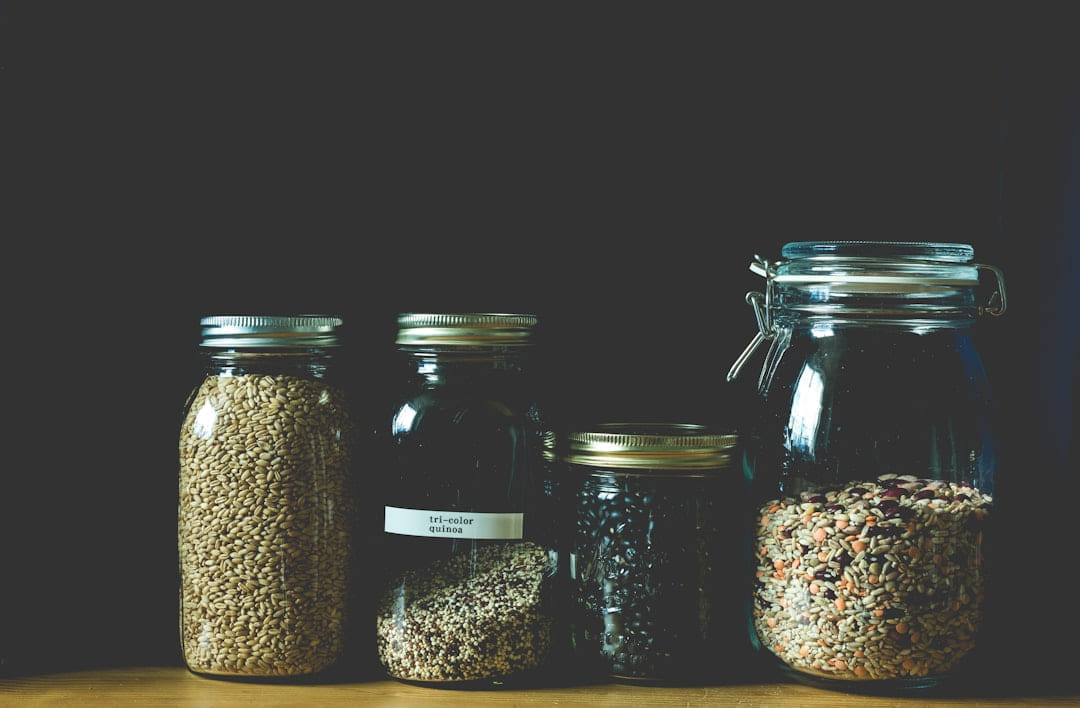
It feels like everyone’s talking about living more sustainably these days, and honestly, that’s a fantastic thing. But let’s be real - the idea of going completely green can sometimes feel a little daunting. Images of expensive solar panels and organic everything often pop into our heads. The truth is, being environmentally conscious doesn’t have to drain your bank account. In fact, a lot of the most impactful changes you can make are surprisingly affordable, and often involve a bit of creativity and a willingness to roll up your sleeves. This article is all about that - offering practical, budget-friendly DIY solutions to help you reduce your footprint without emptying your wallet. Saving money and protecting the planet? It’s absolutely possible, and it’s a really rewarding goal.
DIY Cleaning Solutions: Ditch the Chemicals
Let’s start with something we all use constantly: cleaning products. Most commercial cleaners are packed with chemicals that aren’t just bad for the environment, they can also irritate your skin and lungs. The good news is you can create effective, natural cleaners yourself for a fraction of the cost. A simple vinegar-based cleaner is a powerhouse. Mix equal parts white vinegar and water in a spray bottle - it’s great for countertops, sinks, and even windows. For a little extra boost, add a few drops of essential oil like lemon or tea tree for a fresh scent and added antibacterial properties. Baking soda is another superstar. It’s fantastic for scrubbing, deodorizing, and tackling tough stains. A paste of baking soda and water works wonders on sinks and ovens. And don’t underestimate the power of a simple solution of water and a few drops of lavender essential oil - perfect for dusting and leaving a calming fragrance. You’d be amazed at how much you can save - a gallon of DIY cleaner can cost around $3-5 to make, compared to $5-10 for a similar commercial bottle. Over a year, that adds up to a pretty significant difference.
Upcycled Clothing & Textiles: Give Old Clothes New Life
Think about all the clothes hanging in your closet that you haven’t worn in ages. Instead of tossing them, consider giving them a new lease on life. Patching is a classic for a reason - it’s a quick and easy way to repair holes and extend the life of your favorite jeans or jackets. Basic sewing skills - a few simple stitches - can make a huge difference. Dyeing old clothes is another fantastic option. You can buy natural dyes made from things like avocado pits or onion skins, or even use coffee or tea for a vintage look. Turning old t-shirts into tote bags is a super popular project; it’s surprisingly easy with just a few basic sewing skills. Honestly, the biggest cost savings here are in avoiding buying new clothes. A well-patched jacket or a creatively dyed shirt is not only more sustainable but often more unique than anything you’d find in a store. The time investment can vary - a simple patch might take 15-20 minutes, while a tote bag could take a couple of hours, but it’s a rewarding way to reduce textile waste and save money.
DIY Food Storage: Say Goodbye to Plastic
Plastic wrap and sandwich bags are incredibly convenient, but they contribute significantly to plastic waste. Beeswax wraps are a fantastic alternative. You can buy pre-made beeswax wraps, but they’re a bit pricey. Making your own is surprisingly simple - you’ll need beeswax pellets, cotton fabric, and a rolling pin. Reusable silicone bags are another great option. They’re durable, easy to clean, and can be used for everything from storing leftovers to packing lunches. Compared to continually buying plastic wrap and bags, the initial investment in beeswax wraps or silicone bags pays off quickly. A set of beeswax wraps might cost around $20-30, but they’ll last for months or even years with proper care. Silicone bags can cost around $15-25 for a set of various sizes.
Composting Basics: Turning Trash into Treasure
Composting is a fantastic way to reduce your food waste and create nutrient-rich soil for your garden (or houseplants!). You don’t need a huge backyard to compost. Worm composting, also known as vermicomposting, is perfect for small spaces. You’ll need a plastic bin, bedding (like shredded newspaper), and a few worms. Bokashi composting is another great option - it uses a special bran to ferment food waste, creating a liquid fertilizer and a solid compost. The initial cost of a worm bin or Bokashi bucket is relatively low - around $30-50. You’ll also need some basic supplies like shredded paper and compost starter. The benefits - reducing landfill waste and creating your own fertilizer - far outweigh the small initial investment.
Water Conservation DIYs: Small Changes, Big Savings
Conserving water is crucial, and there are a few simple DIY projects you can tackle. Building a basic rain barrel is surprisingly straightforward. You’ll need a large plastic container, a spigot, and a screen to prevent mosquitoes from breeding. Low-flow showerheads are another easy upgrade - they can significantly reduce your water usage without sacrificing water pressure. Greywater reuse - using water from showers and sinks to water your plants - is a great option, but it’s important to research local regulations and ensure you’re using it safely. The cost of a rain barrel can range from $50-100, while a low-flow showerhead typically costs around $20-30. Even these small investments can lead to noticeable water savings over time.
Reducing Food Waste: Eat What You Have
Let’s be honest, we’ve all thrown away food we forgot about or didn’t know how to use. Getting creative with leftovers is key. Roasted vegetables can be added to frittatas or soups. Leftover rice can be used to make fried rice. Fruit that’s starting to get a little soft can be used in smoothies or baked goods. Proper food storage is also essential. Storing fruits and vegetables in the refrigerator can extend their shelf life. Freezing is a great way to preserve food - you can freeze almost anything! Reducing food waste not only saves you money but also reduces your environmental impact. It’s a win-win situation.
Conclusion: Sustainability Within Reach
It’s easy to feel overwhelmed by the scale of environmental challenges, but remember that small, consistent changes can make a big difference. Eco-friendly DIY budgeting isn’t about sacrificing your lifestyle; it’s about making conscious choices that benefit both your wallet and the planet. Start with one or two of these tips - maybe it’s making your own cleaning solution or upcycling an old shirt. Every little bit helps. Let’s build a more sustainable future, one DIY project at a time.
Keep This Practical
If the advice here feels useful, turn it into one habit you can maintain without extra stress. Sustainable progress tends to come from repeatable decisions, not all-at-once overhauls.
Tools Worth A Look
These recommendations fit readers who want lower-waste, budget-aware tools that support everyday sustainability without overcomplicating it.
- S.T.E.P.S Towards Organic Living: Non-Toxic Living on a BudgetGreen Living in Small Spaces: Simple, Sustainable Habits for Apartment Living40 Projects for Building Your Backyard HomesteadMinimal: For Simple and Sustainable LivingEco-Living on a Shoestring Budget: Save Money While Saving the Planet
Some of the links on this page are Amazon affiliate links, which means I may earn a small commission if you make a purchase through them. As an Amazon Associate, I earn from qualifying purchases.
Related ReadingMore from Earth Wise Budget
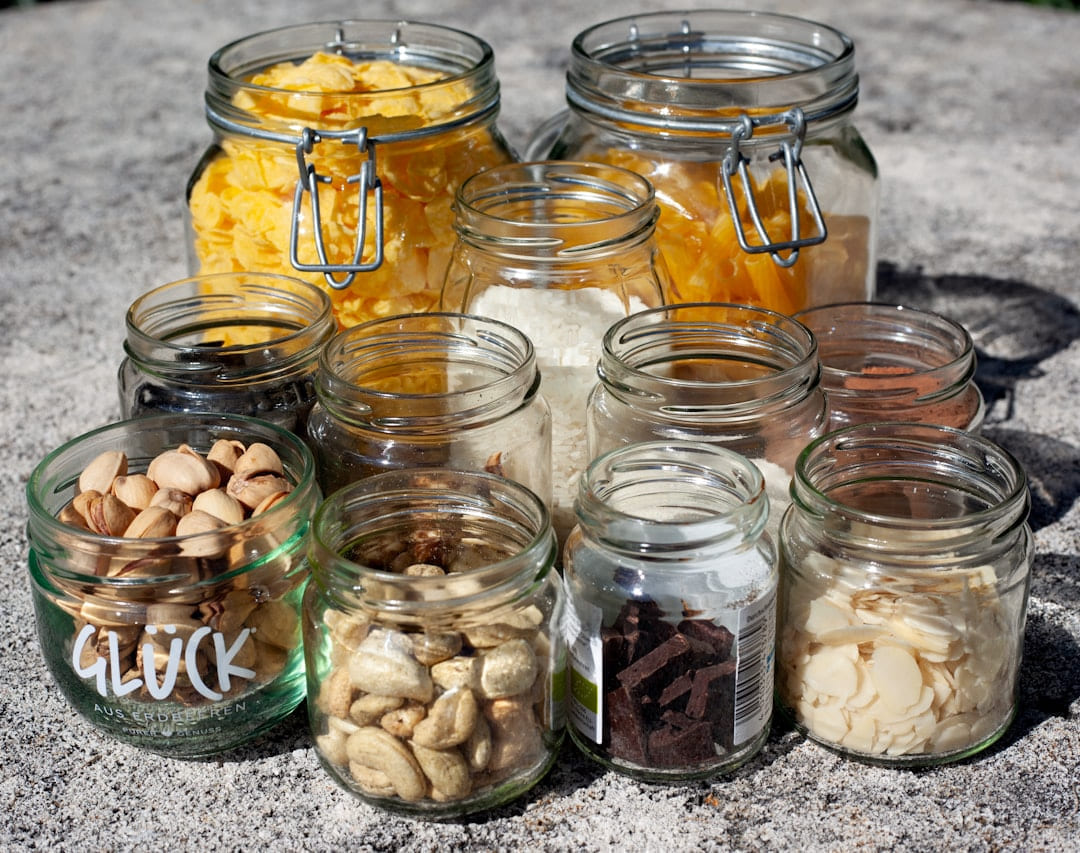
DIY Eco-Fail: Avoid These Mistakes
Mistake #3: Skipping the Prep Work - It’s More Than Just “Getting Started”
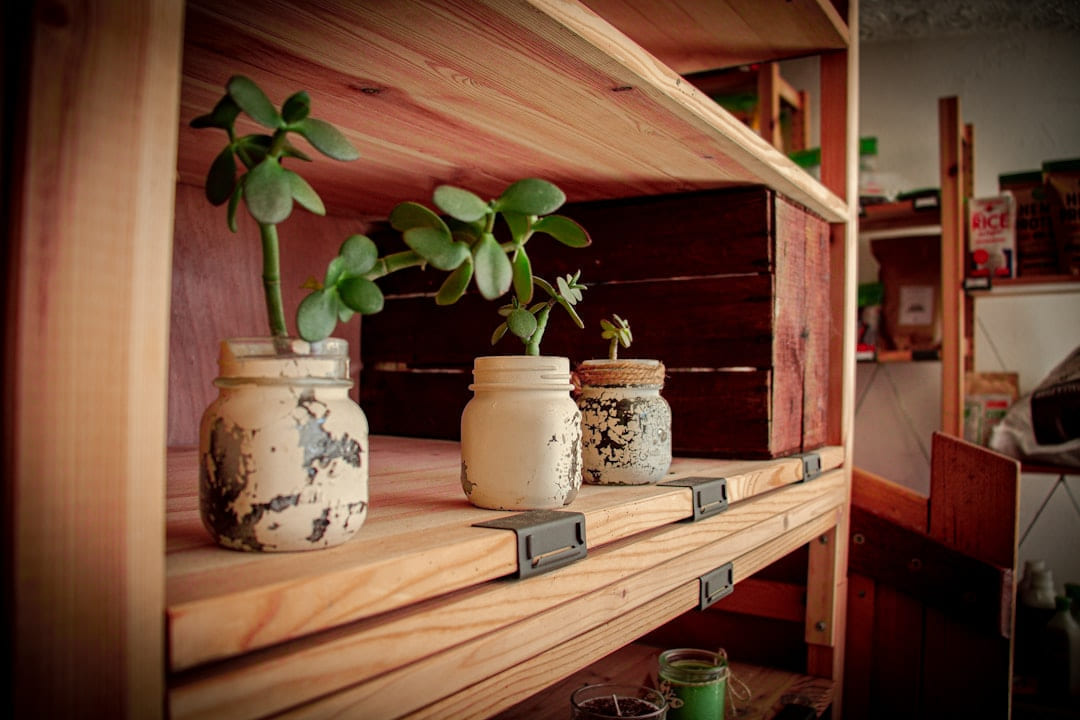
DIY Green: Simple Eco-Friendly Projects
Eco-Friendly DIY Projects for a Budget-Wise Life Let’s face it: living sustainably doesn’t have to mean sacrificing your wallet. In fact, embracing eco-friendly.
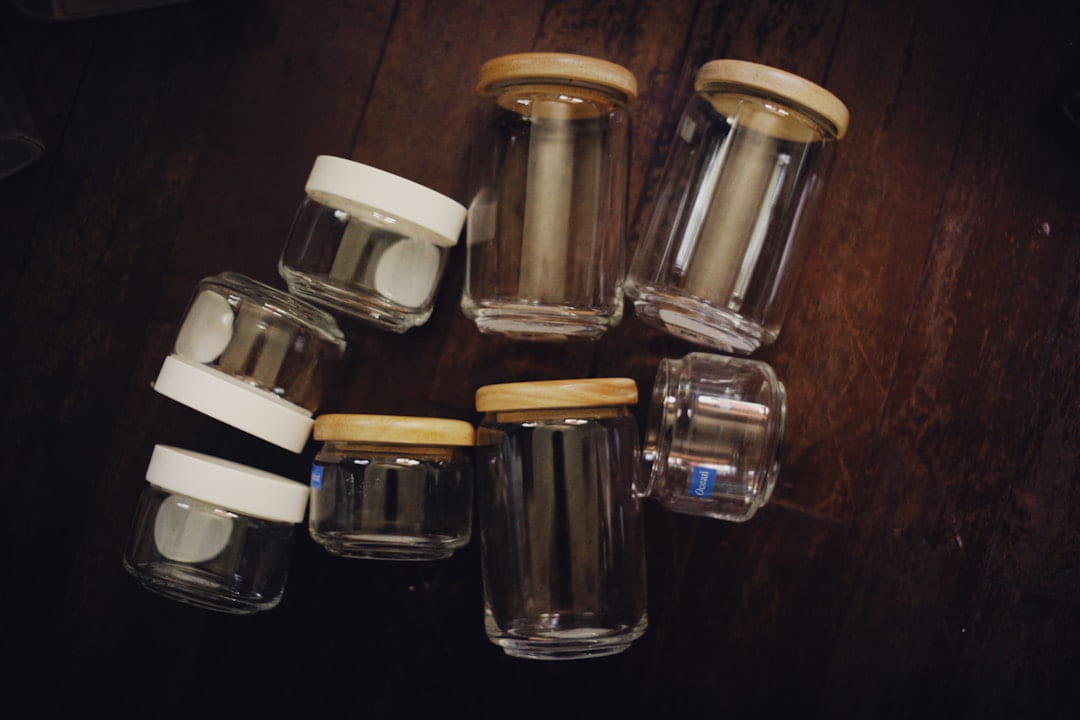
Simple Eco-DIY for Beginners
Simple Eco-DIY for Beginners: Low-waste choices are usually easier to keep when they save money, reduce friction, or fit into routines you already have.