DIY Green can be easier to approach when you start with a few practical basics. Let’s face it: living sustainably doesn’t have to mean sacrificing your wallet. In fact, embracing eco-friendly practices can often save you money in the long run. And what’s even better? You can do it with a little creativity and a whole lot of elbow grease! This article is packed with simple, affordable DIY projects that will help you reduce your environmental impact, declutter your home, and inject a little handmade goodness into your life. We’ll cover everything from cleaning supplies to gardening, and even some clever ways to upcycle materials you already have. Ready to get started on a greener, more budget-friendly path?
Here are a few simple recipes to get you started, focusing on staples that are incredibly versatile and cost-effective:
- All-Purpose Cleaner: Mix equal parts white vinegar and water in a spray bottle. A few drops of lemon essential oil will boost the cleaning power and add a lovely scent.
- Window Cleaner: Combine 1/2 cup white vinegar and 2 cups water in a spray bottle. For streak-free results, wipe with a microfiber cloth.
- Multi-Surface Spray: Combine 1/4 cup white vinegar, 1 tablespoon baking soda, and 10-20 drops of your favorite essential oil (lemon, lavender, or tea tree are great choices) in a spray bottle. Baking soda acts as a gentle abrasive, making this perfect for cleaning countertops and sinks.
You can easily get a set of these for under $5 - vinegar and baking soda are incredibly inexpensive. And the fresh scents are a much nicer alternative to artificial fragrances, which can contain harmful chemicals. Investing in reusable spray bottles is also a smart move - you’ll save money and reduce plastic waste over time.
DIY Seed Starting Kits: Grow Your Own (DIY Green)
Want to add some fresh produce to your table and reconnect with the natural world? Starting your own seeds is a rewarding and surprisingly affordable way to do it. Instead of buying expensive seedlings from the store - which are often delicate and prone to transplant shock - you can create your own kits using recycled materials. It’s a fantastic way to reduce your reliance on store-bought produce and enjoy the satisfaction of nurturing new life.
Grab a few yogurt cups or egg cartons - they work perfectly as seed trays. Egg cartons are particularly great because you can easily punch drainage holes in the bottom. Fill them with potting soil (you can even compost your own - more on that later!). Organic seeds are readily available at farmers markets, garden centers, and online. A packet of seeds will cost you around $10-$15, and you’ll have a head start on your garden. Consider starting with easy-to-grow varieties like lettuce, radishes, or herbs. To help your seedlings thrive, provide them with adequate sunlight and water. A simple grow light can be a worthwhile investment if you don’t have a sunny windowsill.
DIY Compost Bin: Turn Trash into Treasure
Composting is a fantastic way to reduce landfill waste, enrich your garden soil, and minimize your reliance on chemical fertilizers. It doesn’t have to be complicated - a simple compost bin can be built with repurposed materials. Proper composting dramatically reduces the amount of waste you send to landfills, and the resulting compost is a nutrient-packed gift for your plants.
Pallets are ideal for this project. You can easily construct a basic bin by attaching four pallets together to form a square. Alternatively, you can use a plastic bin with holes drilled in the sides for aeration - a large storage bin works perfectly. Line the bottom with cardboard to help with drainage. For faster composting, aim for a good balance of “greens” (nitrogen-rich materials like vegetable scraps and grass clippings) and “browns” (carbon-rich materials like dried leaves and shredded paper). Building a compost bin will cost you very little - mostly just the cost of the pallets or bin itself. It’s a small effort that makes a big difference for the planet. A well-maintained compost bin can significantly reduce your household waste and improve the health of your garden.
Beyond the Basics: More Creative DIYs
Let’s move beyond the essentials and explore some more ambitious DIY projects. Here are a few ideas to spark your creativity:
- Beeswax Wraps: Replace plastic wrap with reusable beeswax wraps. You can buy beeswax pastilles and fabric scraps online or at craft stores. It’s a simple sewing project that’s both eco-friendly and cost-effective.
- T-Shirt Tote Bags: Give old t-shirts a new life by transforming them into sturdy tote bags. This is a great way to reduce textile waste and create a personalized shopping bag.
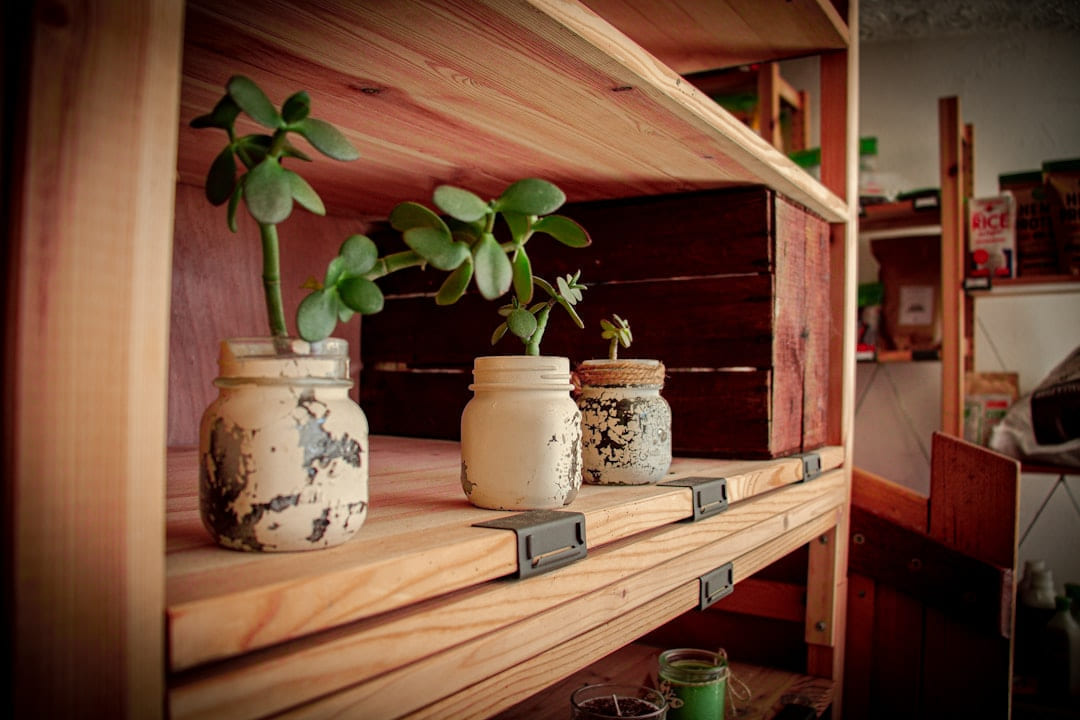
- Upcycled Jar Organizers: Clean out old jars and decorate them with paint, fabric scraps, or twine to create stylish organizers for your desk, bathroom, or kitchen.
- Natural Dyeing: Experiment with natural dyes made from plants like berries, onions skins, and avocado pits to add color to your fabrics and textiles.
Sourcing Materials & Tools - Budget-Friendly Finds
Finding affordable and sustainable materials is key to making these projects a success. Don’t feel like you need to buy everything brand new! Thrift stores and farmers markets are goldmines for discounted fabrics, containers, and seeds. You’d be surprised at what you can find - often at a fraction of the cost of buying new. Online marketplaces like Etsy can also be a good source for beeswax pastilles, organic seeds, and other supplies. Keep an eye out for sales and clearance items at hardware stores and craft stores. As for tools, a good pair of scissors, a measuring tape, a ruler, and a basic sewing needle (or a hand-sewing kit) are all you really need. Don’t feel like you need a fancy workshop - a simple workspace in your kitchen or garage will do just fine. A utility knife can be helpful for cutting fabric, but always use caution and follow safety guidelines.
Reducing Waste - A Holistic Approach
DIY projects are just one piece of the puzzle when it comes to sustainable living. It’s important to consider the entire lifecycle of your purchases and reduce waste in other areas of your life. Here are a few additional tips:
- Reduce, Reuse, Recycle: This classic mantra is still incredibly relevant. Prioritize reducing your consumption, reusing items whenever possible, and recycling properly.
- Say No to Single-Use Plastics: Carry a reusable water bottle, coffee cup, and shopping bags.
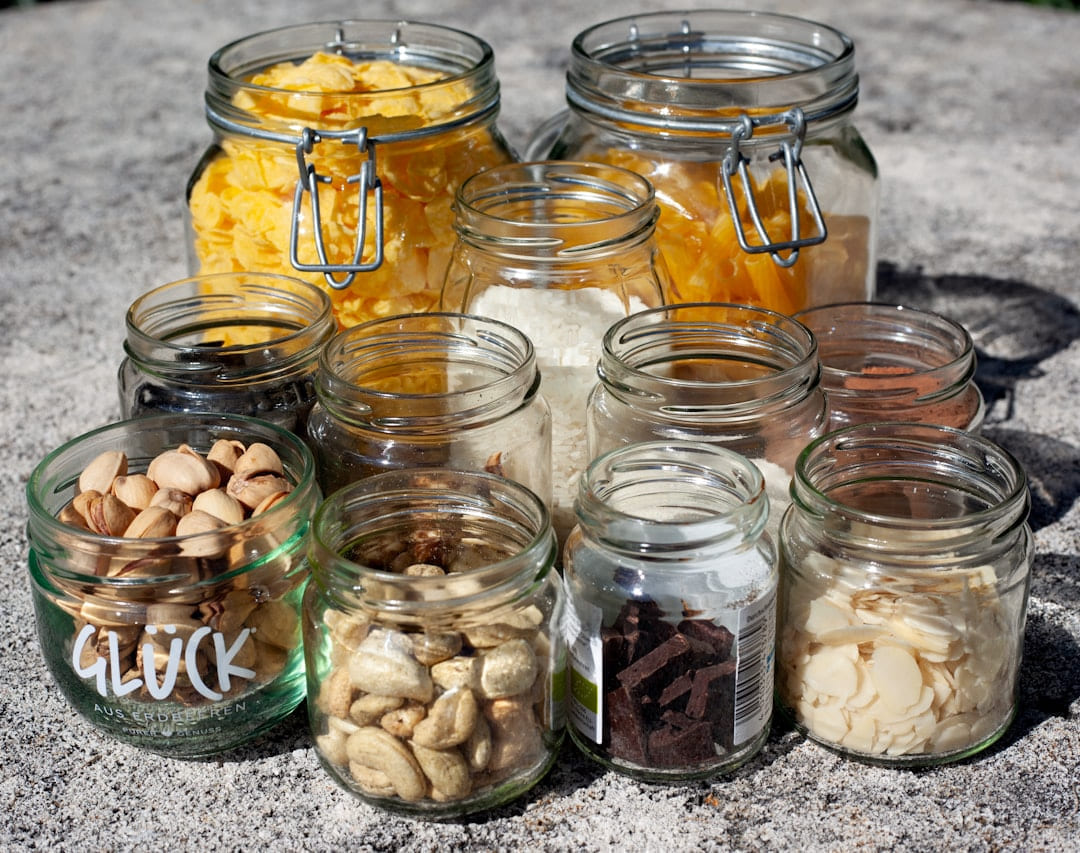
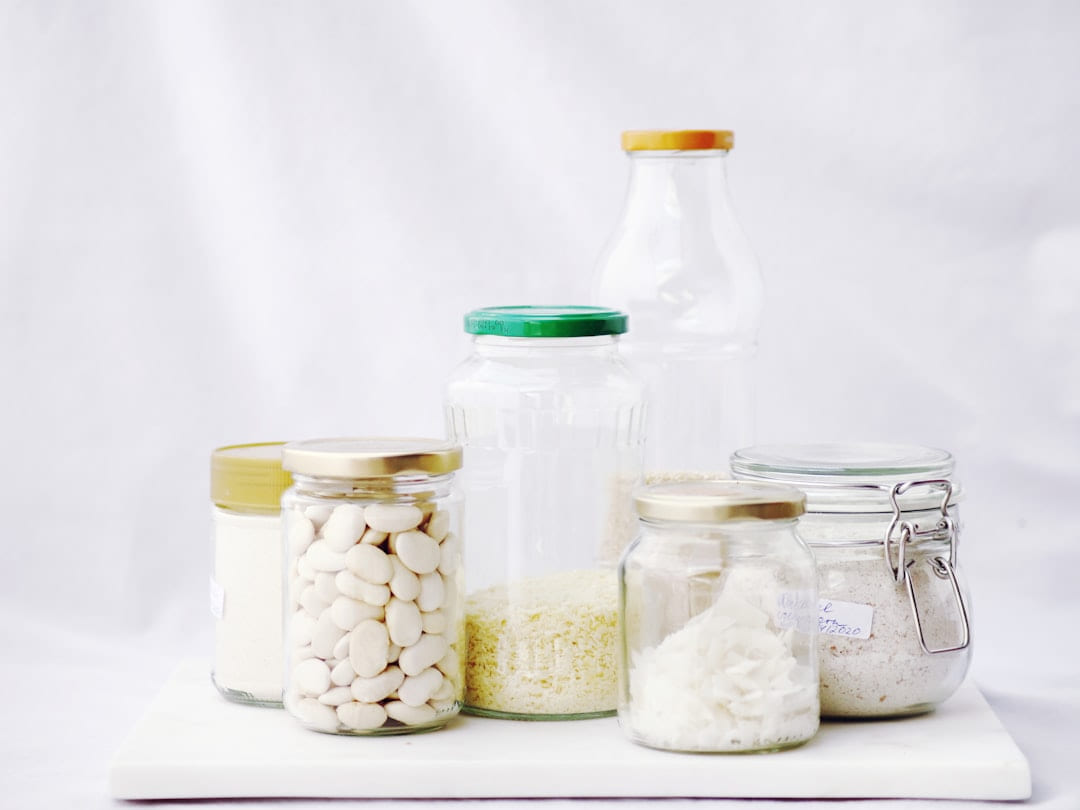
- Buy in Bulk: Whenever possible, purchase items in bulk to reduce packaging waste.
- Repair, Don’t Replace: Before throwing something away, consider whether it can be repaired.
Let’s Get Started - Small Steps, Big Impact
Keep This Practical
If the advice here feels useful, turn it into one habit you can maintain without extra stress. Sustainable progress tends to come from repeatable decisions, not all-at-once overhauls.
Tools Worth A Look
These recommendations fit readers who want lower-waste, budget-aware tools that support everyday sustainability without overcomplicating it.
- Off Grid Living on a Budget!: Written By The Off Grid Barefoot GirlAttainable Sustainable: The Lost Art of Self-Reliant LivingThe Ultimate Backyard Homestead Bible: [5 in 1] The Complete Guide to Sustainable LivingGreen On A Dime: A Practical Guide to Sustainable Living on a BudgetSustainable Living, Minimalism, and Zero Waste: A Beginner’s Guide
Some of the links on this page are Amazon affiliate links, which means I may earn a small commission if you make a purchase through them. As an Amazon Associate, I earn from qualifying purchases.
Related ReadingMore from Earth Wise Budget
DIY Eco-Fail: Avoid These Mistakes
Mistake #3: Skipping the Prep Work - It’s More Than Just “Getting Started”
Simple Eco-DIY for Beginners
Simple Eco-DIY for Beginners: Low-waste choices are usually easier to keep when they save money, reduce friction, or fit into routines you already have.
Eco-DIY FAQs: Your Budget-Friendly Guide
Eco-Friendly DIY FAQ - Your Guide to Sustainable Living Earth Wise Budget: Eco-Friendly DIY FAQ - Your Guide to Sustainable Living Here are a few tried-and-tr...