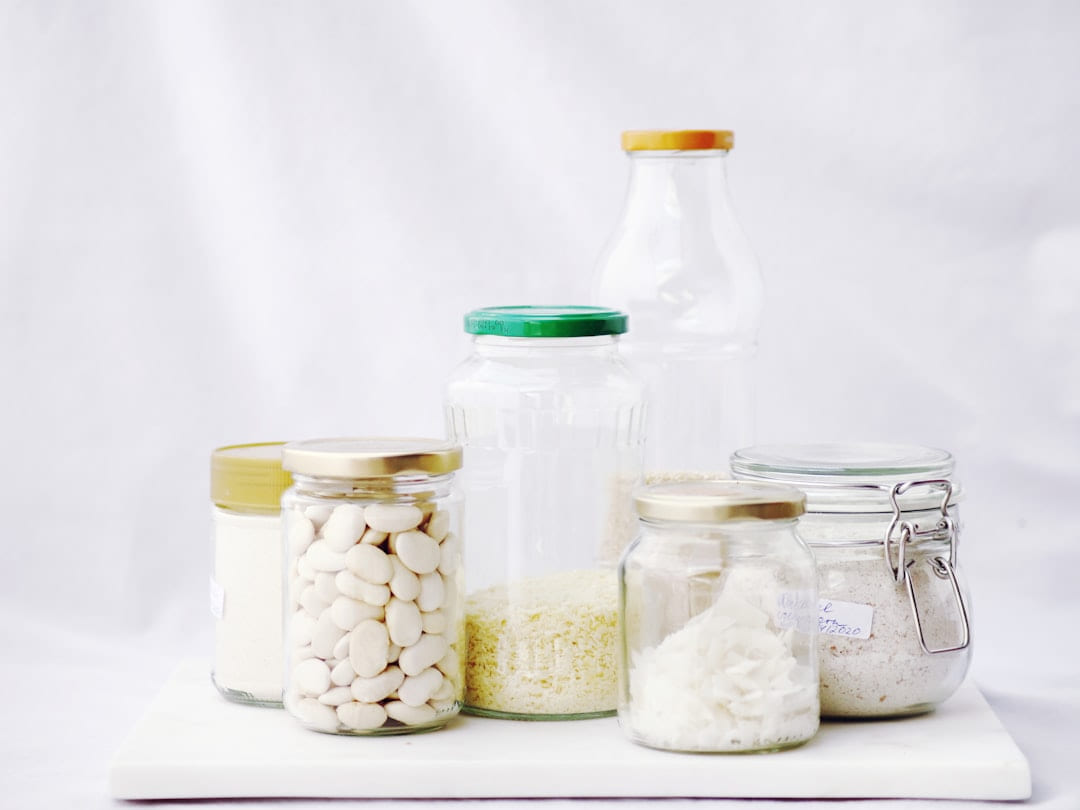
Budget-Friendly can be easier to approach when you start with a few practical basics. Here are a few tried-and-true recipes:
- Baking Soda Paste: Mix baking soda with a little water to form a paste. This is a powerhouse for scrubbing sinks, tubs, stovetops, and even removing stubborn stains.
- Glass Cleaner: Mix 1/4 cup white vinegar with 2 cups water in a spray bottle. A few drops of lemon essential oil can add a lovely scent.
- All-Purpose Cleaner: Combine equal parts water and white vinegar in a spray bottle. Add a tablespoon of liquid castile soap for extra cleaning power.
Question 5: What are the cost savings compared to buying commercial cleaners? A single bottle of a popular commercial cleaner - think multi-surface sprays or bathroom cleaners - can easily cost $5-$10. With DIY, you’re investing in a few key ingredients that will last you months, maybe even years. A single container of baking soda costs around $2, and vinegar is incredibly cheap. Over time, the savings really add up. Consider the environmental impact too - you’re drastically reducing plastic waste.
Question 6: What’s the environmental impact of switching to DIY cleaning? It’s a big deal. You’re cutting down on plastic waste - significantly reducing the number of plastic bottles ending up in landfills and oceans. You’re minimizing exposure to harsh chemicals that can be harmful to your health and the environment. Furthermore, you’re supporting a more sustainable way of making things - utilizing natural, biodegradable ingredients.
FAQ: Upcycling & Repurposing - Giving Old Things New Life (Budget-Friendly)
Upcycling isn’t just about making things look pretty; it’s a cornerstone of sustainable living. It’s about reducing waste and giving items a second chance, transforming something destined for the landfill into a useful and beautiful object. It’s a fantastic way to save money, unleash your creativity, and reduce your consumption.
- Creative ideas for transforming old clothing into reusable items: Old jeans can become incredibly durable tote bags - just sew up the bottom and add some sturdy handles. T-shirts can be cut into cleaning cloths - they’re perfect for dusting and polishing. Sweaters can be turned into cozy pillow covers, adding a touch of warmth and texture to your living space. Even old scarves can be repurposed into headbands or hair ties. A little imagination goes a long way!
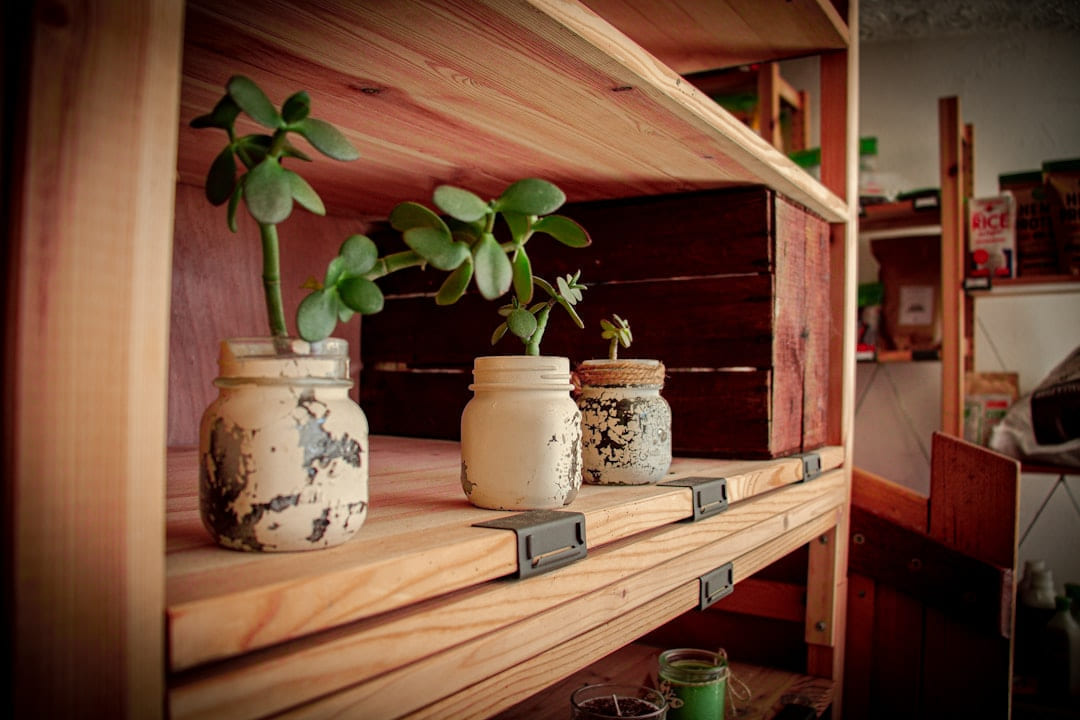
- How can I repurpose old furniture or jars? Mason jars are incredibly versatile. They can be used to organize pens and pencils on your desk, store spices in the kitchen, or even create miniature terrariums for a touch of greenery. An old wooden crate can be transformed into a stylish bookshelf by adding some shelves and a coat of paint, or a handy storage unit for toys or craft supplies. A quick online tutorial (YouTube is your friend!) will show you how to attach fabric to a jar using glue or twine to create a decorative storage container. Consider turning an old dresser into a bathroom vanity by adding a new countertop and mirror.
- Question 10: Upcycling for Beginners - Simple Projects to Start With Don't be intimidated! Start with easy projects like turning old t-shirts into reusable shopping bags, or using glass jars to organize your pantry. There are countless tutorials online to guide you through the process.
Estimated material costs for common upcycling projects:
- A basic tote bag from an old t-shirt: $0 - $2 (depending on whether you sew it - a needle and thread are all you need!)
- Mason jar organizer: $5 - $10 (for fabric, glue, and possibly some decorative elements like paint or ribbon)
- Upcycled bookshelf from a wooden crate: $10 - $20 (depending on the paint, sealant, and shelf supports you choose)
Additional Eco-DIY Topics - Expanding Your Sustainable Horizons
There’s more to eco-friendly living than just containers and cleaners. Here are a few other areas to explore, each offering a way to reduce your environmental impact and save money.
- Composting: Even if you live in an apartment, you can compost food scraps using a small countertop composter. These typically cost around $30-$50. Bokashi composting is another excellent option for apartment dwellers, utilizing a fermentation process to break down food waste.
- Water Conservation: Rainwater harvesting is a fantastic way to reduce your water bill. A simple rain barrel can cost around $50-$100, providing you with water for gardening and other outdoor uses. Greywater systems are more complex, involving the reuse of water from showers and sinks, but a rewarding investment for those with the skills and space.
- DIY Beeswax Wraps: A sustainable alternative to plastic wrap, beeswax wraps are surprisingly easy to make with beeswax, cotton fabric, and resin.
- Natural Dyes: Experiment with natural dyes derived from plants like berries, onions, and turmeric to color your fabrics and textiles.
Question 11: Tool Recommendations - You Don’t Need a Workshop! You don’t need a huge toolbox! A good pair of scissors, a utility knife (use with caution!), a small sewing kit (needles, thread, buttons), and a hot glue gun are often enough for basic DIY projects. Secondhand tools are a great budget-friendly option - check local flea markets, garage sales, or online marketplaces like Craigslist or Facebook Marketplace. Don’t be afraid to ask for donations from friends and family!
Conclusion - Start Small, Dream Big
Making your home more eco-friendly doesn’t have to feel overwhelming. It’s about taking small, manageable steps that add up over time. From making your own beeswax wraps to giving old jars a new life, there are countless ways to reduce your impact without emptying your wallet. Start with one small project - maybe that beeswax wrap tutorial you’ve been thinking about - and see how it feels. You might be surprised at how rewarding and empowering it can be. Don’t feel like you have to do it all at once! Sustainability is a journey, not a destination.
Start with what you will actually use
With Eco-DIY FAQs: Your Budget-Friendly Guide, the first question is usually not which option looks best on paper. It is which part will make day-to-day life easier, smoother, or cheaper once the novelty wears off.
A lot of options sound great until you picture them in a normal week. If the setup is fussy, the routine is easy to forget, or the maintenance is annoying, the appeal fades quickly.
There is also value in keeping one part of the process deliberately simple. Readers often do better when they identify the one decision that carries the most weight and make that choice carefully before they chase smaller optimizations. That keeps momentum steady and usually prevents the topic from turning into clutter.
Keep This Practical
Sustainable habits stick best when they fit your budget and your routine at the same time. Choose the one change that feels realistic this week, and let consistency do more than guilt ever will.
Tools Worth A Look
If you are trying to make greener routines easier to keep, the products below are the most relevant follow-up.
- Backyard Homesteading Basics: Practial, Time-Saving Guide To Self-Sufficient LivingThe Doable Off-Grid Homestead: Cultivating a Simple Life by Hand... on a BudgetThe Ultimate Backyard Homestead Bible: [5 in 1] The Complete Guide to Sustainable LivingThe Ultimate Guide to Off-Grid Living: Master Self-Sufficient Homesteading, Solar Power, and Survival Skills for a Simpler, Environmentally Conscious and BudgetHarvesting Rainwater for Your Home
Some of the links on this page are Amazon affiliate links, which means I may earn a small commission if you make a purchase through them. As an Amazon Associate, I earn from qualifying purchases.
Related ReadingMore from Earth Wise Budget
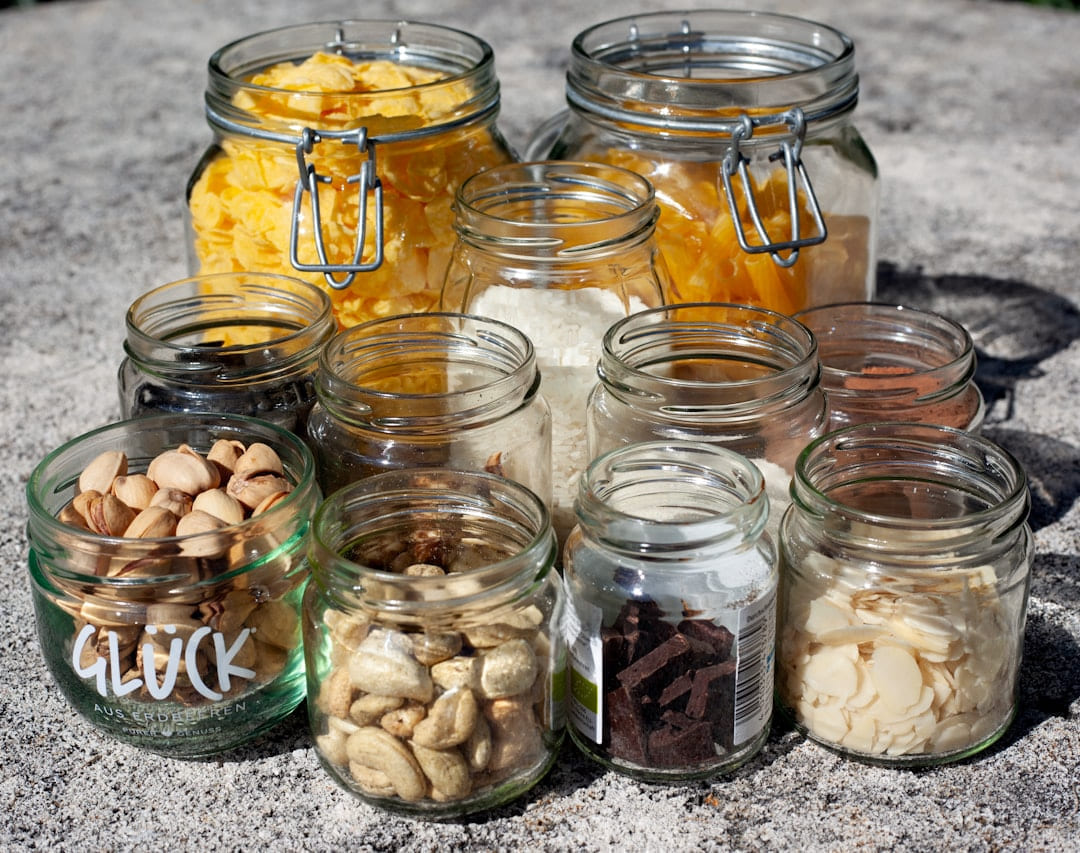
DIY Eco-Fail: Avoid These Mistakes
Mistake #3: Skipping the Prep Work - It’s More Than Just “Getting Started”
DIY Green: Simple Eco-Friendly Projects
Eco-Friendly DIY Projects for a Budget-Wise Life Let’s face it: living sustainably doesn’t have to mean sacrificing your wallet. In fact, embracing eco-friendly.
Simple Eco-DIY for Beginners
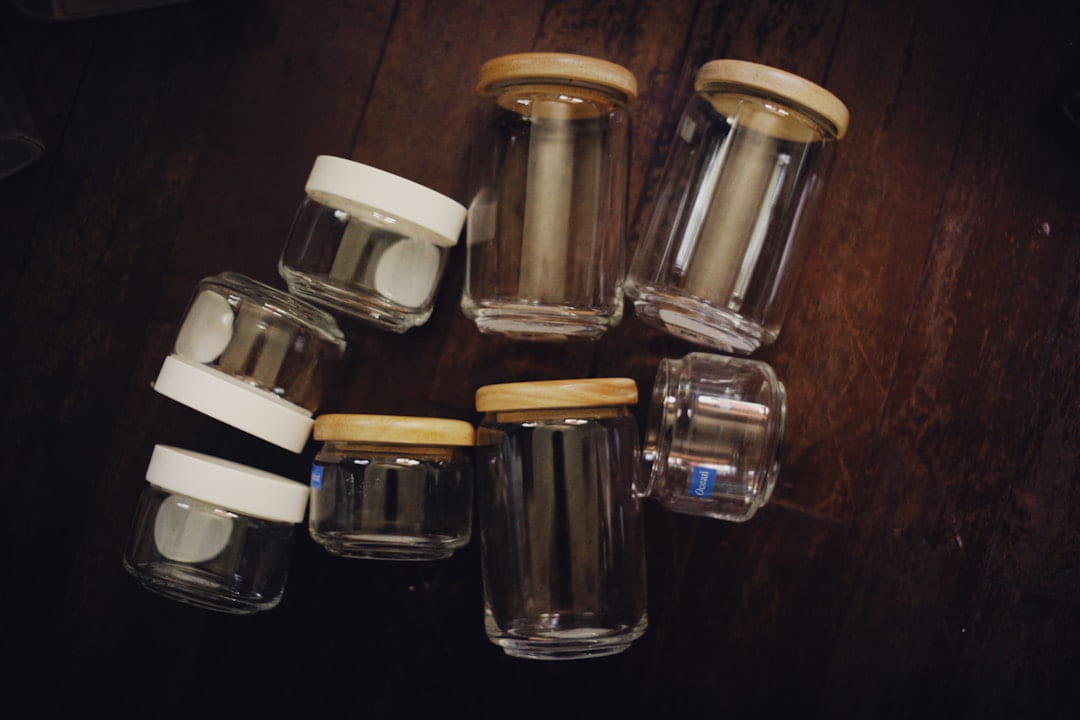
Simple Eco-DIY for Beginners: Low-waste choices are usually easier to keep when they save money, reduce friction, or fit into routines you already have.