Your DIY Reusable Household Items guide: Save Money & the Planet
Sourcing Your Supplies: The Treasure Hunt Begins (DIY Home Goods: Simple)
DIY Home Goods: Simple can be easier to approach when you start with a few practical basics. The biggest hurdle for many people considering DIY is often the perceived cost of materials. However, a little resourcefulness can dramatically lower your expenses. Let’s start with where to find your supplies:
- Thrift Stores: Seriously, these are goldmines! You can often find perfectly good fabric remnants, jars, and even containers for a fraction of the price of buying new. Don’t be afraid to get creative with what you find - a slightly stained tea towel can become a fantastic cleaning cloth.
- Fabric Recycling Programs: Most cities and towns now have textile recycling programs. These programs collect unwanted fabric and clothing, often repurposing it into new materials. Check your local government’s website for a list of participating locations. Many offer drop-off bins or even host events where you can donate your old fabrics.
- Upcycling Existing Items: Before buying anything new, take a good look around your home. Old t-shirts, towels, pillowcases, and even socks can be transformed into reusable items.
- Bulk Buying (Strategic): For items like beeswax, cotton balls, or essential oils (for your beeswax wraps), buying in bulk can significantly reduce the per-unit cost.
Cost Comparison (Approximate)
| Item | DIY Cost | Store-Bought Cost |
|---|---|---|
| Reusable Shopping Bag | $2 - $5 | $5 - $10 |
| Beeswax Wrap | $8 - $12 | $10 - $20 |
| Produce Bag | $1 - $3 | $3 - $7 |
| Cleaning Cloths | $0 - $3 | $5 - $10 |
| Glass Jar Storage | $0 - $5 | $8 - $15 |
Let’s Get Crafting: Project Ideas & Instructions
1. Reusable Shopping Bags: A Beginner’s Project
Starting with a simple shopping bag is a fantastic way to build confidence and get your DIY journey rolling. The Spruce Crafts offers a great tutorial for beeswax food wraps (<>), but the basic principles apply to bags too. You’ll need sturdy fabric (canvas or denim work well), beeswax pellets, pine resin, and a little bit of patience. A basic pattern can be found online, and the process is surprisingly straightforward.
2. Beeswax Food Wraps: Ditch the Plastic Wrap
These are a game-changer for reducing plastic waste in the kitchen. They’re reusable, washable, and surprisingly effective at keeping food fresh. The Spruce Crafts tutorial is excellent, but consider experimenting with different fabric patterns for a more personalized touch. Adding dried herbs (like lavender or rosemary) to the wrap can also infuse a pleasant scent.
3. Produce Bags: Keep Your Fruits & Veggies Fresh
Mesh or lightweight cotton fabric is ideal for produce bags. You can sew simple drawstring bags or create mesh bags with elastic closures. These are perfect for storing loose fruits and vegetables like berries, apples, and leafy greens.
4. Cleaning Cloths: Sustainable Scrubbing
Old t-shirts, towels, and flannel sheets make excellent cleaning cloths. Cut them into squares or rectangles and store them in a designated container. They’re far more sustainable and cost-effective than disposable cleaning wipes.
5. Glass Jar Storage: Repurpose & Organize
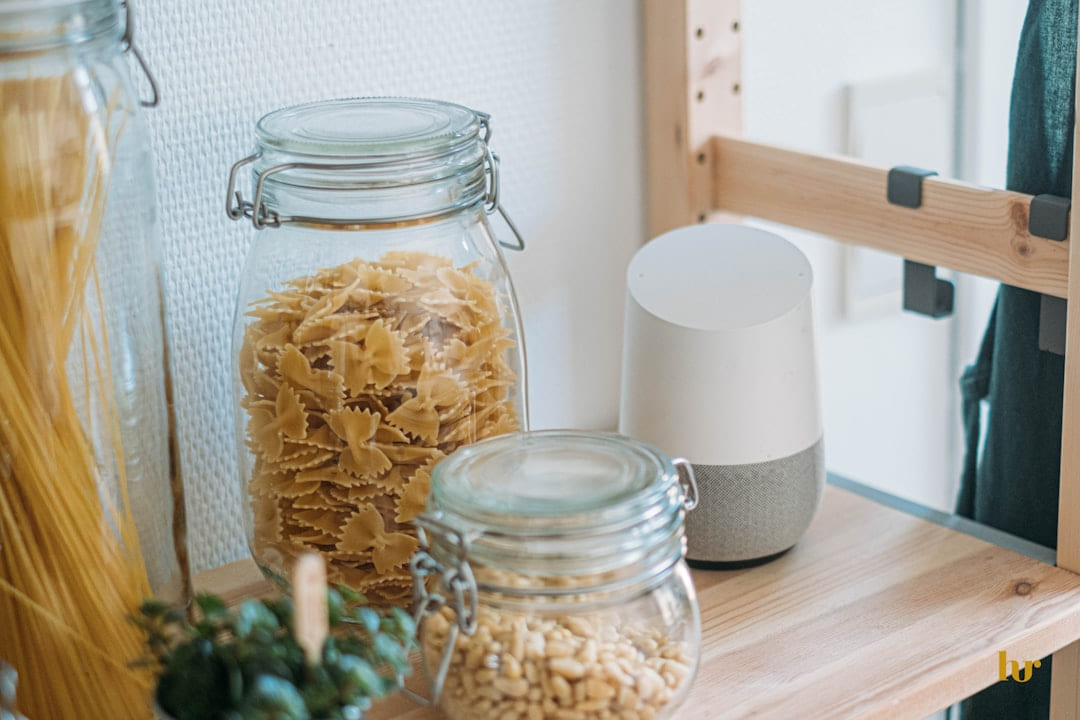
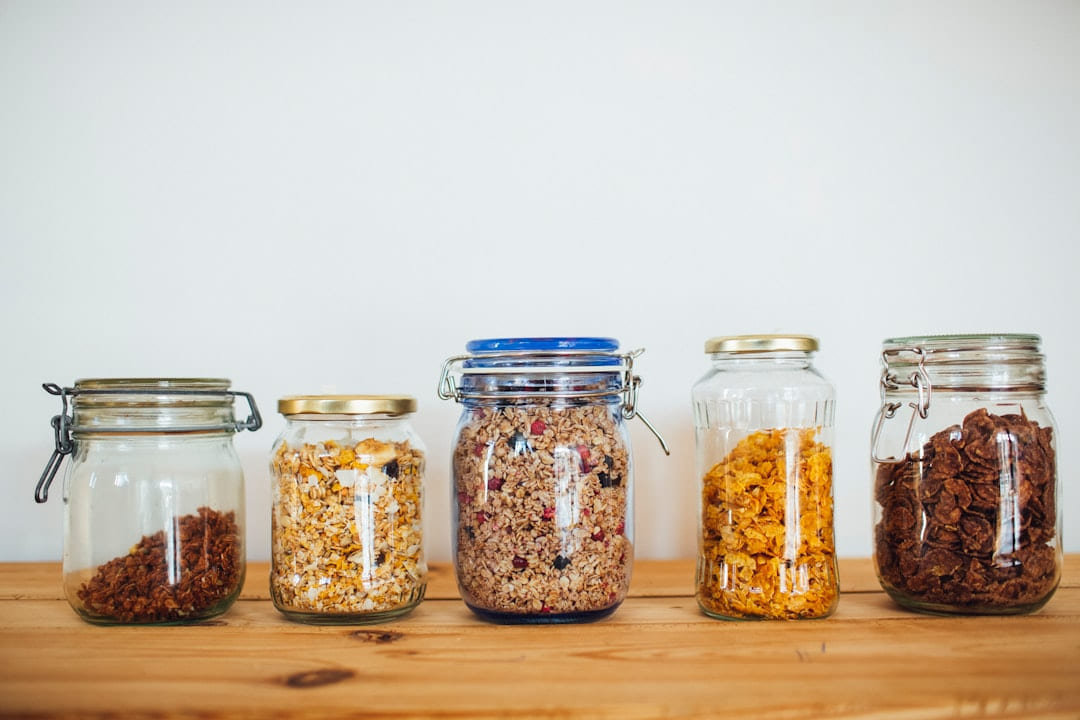
Glass jars are incredibly versatile. Clean them out and use them to store dry goods like rice, beans, pasta, spices, and even homemade sauces. Label them clearly to keep everything organized. Mason jars are a classic choice, but don’t overlook jars from pasta sauce, pickles, or jam.
Beyond the Basics: Expanding Your Reusable Toolkit
Once you’ve mastered the basics, you can explore more advanced DIY projects:
- Reusable Cotton Rounds: These are a fantastic alternative to disposable cotton rounds for removing makeup or applying toner. You can make them from flannel fabric or old t-shirts.
- Dishcloths: Cut up old towels or flannel fabric into squares and sew them together to create reusable dishcloths.
- Beeswax-Coated Cardboard Food Containers: For sandwiches or leftovers, beeswax coating provides a natural, reusable alternative to plastic containers.
Pick the easiest win first
Most people get better results with DIY Home Goods: Simple, Sustainable Swaps when they narrow the decision to one real problem. That could be saving time, trimming cost, reducing friction, or making the routine easier to keep up.
This usually gets easier once you make a short list of priorities. A tighter list tends to produce better decisions than trying to solve every possible problem at once.
Another useful filter is asking what you would still recommend if the budget got tighter, the schedule got busier, or the setup had to be easier for someone else to manage. The answers to that question usually reveal which advice is durable and which advice only works under ideal conditions.
The tradeoff most people notice late
One common mistake with DIY Home Goods: Simple, Sustainable Swaps is expecting every option to solve the whole problem. In reality, some choices are better for convenience, some for reliability, and some simply for keeping the budget under control.
Before spending more, it is worth checking the setup, upkeep, and learning curve. Small hassles matter here because they are usually what decide whether something stays useful or gets ignored.
It is easy to underestimate how much clarity comes from removing one unnecessary layer. In practice, trimming one complication often does more for DIY Home Goods: Simple, Sustainable Swaps than adding one more feature, one more product, or one more clever workaround.
What makes this easier to live with
The options that age well are usually the ones that are easy to repeat. Reliability and low hassle often matter more than the most impressive-looking feature list.
In a topic like Sustainable living on a budget, manageable almost always beats impressive. If something is simple enough to keep using, it is usually doing more real work for you.
Readers usually get better results when they treat advice as something to test and refine, not something to obey perfectly. That mindset creates room for real judgment, which is often the difference between content that sounds smart and guidance that is actually useful.
Conclusion: Small Changes, Big Impact
Creating your own reusable household items is a surprisingly rewarding way to reduce your environmental impact and save money. It’s not about striving for perfection; it’s about making conscious choices and embracing a little bit of creativity. Start with one or two projects - the shopping bags are a great place to begin. Every small step makes a difference, and together, these small changes can have a big impact on our planet and our wallets. Don’t be afraid to experiment, get creative, and most importantly, enjoy the process of building a more sustainable and resourceful home.
Keep This Practical
The practical version of low-waste living is usually smaller and steadier than it looks online. Start with the swap you can repeat easily, then build from there.
Tools Worth A Look
The picks here are best used as supports for repeatable low-waste habits, not one-time feel-good purchases.
- How to Make a Budget Plan - Planning and Budgeting for SuccessOff-Grid Living on a Budget: The Ultimate GuideEco On A Budget - for busy parents: Simple, affordable steps for greener family livingEco-Minimalism On A BudgetS.T.E.P.S Towards Organic Living: Non-Toxic Living on a Budget
Some of the links on this page are Amazon affiliate links, which means I may earn a small commission if you make a purchase through them. As an Amazon Associate, I earn from qualifying purchases.
Related ReadingMore from Earth Wise Budget
DIY Home Goods: Simple Steps to Save
Lay a square of parchment paper on a flat surface. Sprinkle beeswax and resin evenly over the parchment. 3. Place another square of fabric on top of the wax.
DIY Reuse Fails: Avoiding Common Mistakes
DIY Reuse Fails: Avoiding Common Mistakes offers a clearer, more practical take on diy so readers can make the next move with less confusion and more confidence.
DIY Home Swaps: A Simple Checklist
Ditch the Disposables: Your DIY Reusable Household Items Checklist It’s 2026, and the numbers around plastic waste are pretty sobering. We’re generating roughly.