Hey there, Earth Wise Budget family! Sarah Quinn here, your friendly Household Harmony Specialist. Let’s be honest, the idea of “sustainable living” can sometimes feel overwhelming. Images of elaborate composting systems and perfectly organized zero-waste kitchens can be… intimidating. But the truth is, creating a more eco-conscious life doesn’t have to be a monumental undertaking. It’s about making small, thoughtful changes - swaps - that gradually weave sustainability into the fabric of our daily routines. And the best part? It doesn’t have to break the bank.
I’ve spent a lot of time observing families, and I’ve noticed that the biggest hurdle for many people isn't a lack of desire to be more sustainable, it’s feeling like they don’t know where to start. It’s like standing at the foot of a very tall mountain - you know you want to reach the peak, but the sheer scale of the climb can be paralyzing. That’s why I wanted to share a simple, approachable guide to DIY home swaps, focusing on practical steps and realistic expectations. Because, let’s face it, life is busy, and finding a little harmony amidst the chaos is a worthy goal in itself.
This isn’t about striving for perfection; it’s about progress. It’s about recognizing that every small step, every conscious choice, contributes to a larger, more positive impact. And trust me, celebrating those small wins - refilling a reusable water bottle, switching to a bamboo toothbrush - is a powerful motivator.
Let’s dive in.
Why DIY Home Swaps Matter (And Why They’re Easier Than You Think)
Before we jump into the checklist, let’s quickly touch on why these swaps are so important. The impact of our daily choices on the planet is significant. From the plastic accumulating in our landfills to the carbon emissions from our transportation, our actions collectively contribute to environmental challenges. Switching to more sustainable alternatives isn’t just a feel-good exercise; it’s a tangible way to reduce our footprint and contribute to a healthier planet for future generations.
Think about it - the average household generates a lot of waste. A significant portion of that waste is easily replaceable with reusable or more eco-friendly options. And often, these alternatives are surprisingly affordable. It’s about shifting our mindset from “expensive green” to “smart, sustainable.”
The Simple Checklist: Your Starting Point
Okay, let’s get to the good stuff. Here’s a breakdown of how to approach DIY home swaps, broken down into manageable steps.
1. Start with What’s Easiest: Don’t Overwhelm Yourself
This is crucial. Don’t try to tackle composting if you’re already struggling to consistently recycle. Seriously. It’s tempting to want to overhaul your entire life overnight, but that’s a recipe for burnout. Start with something genuinely simple and achievable. For many people, switching to a reusable water bottle or shopping bag is a fantastic starting point. It’s a low-pressure win that builds momentum.
2. Look for Affordable Alternatives:
This is where a lot of people get stuck - thinking sustainable living is inherently expensive. That’s simply not true. There are tons of budget-friendly reusable options available.
- Water Bottles & Coffee Cups: Stainless steel bottles are a great investment and can last for years. You can often find them on sale, and even paper coffee cups can be swapped for reusable ones.
- Shopping Bags: Keep a stash of reusable bags in your car, by the door, and even in your purse. Many grocery stores now offer discounts for bringing your own bags.
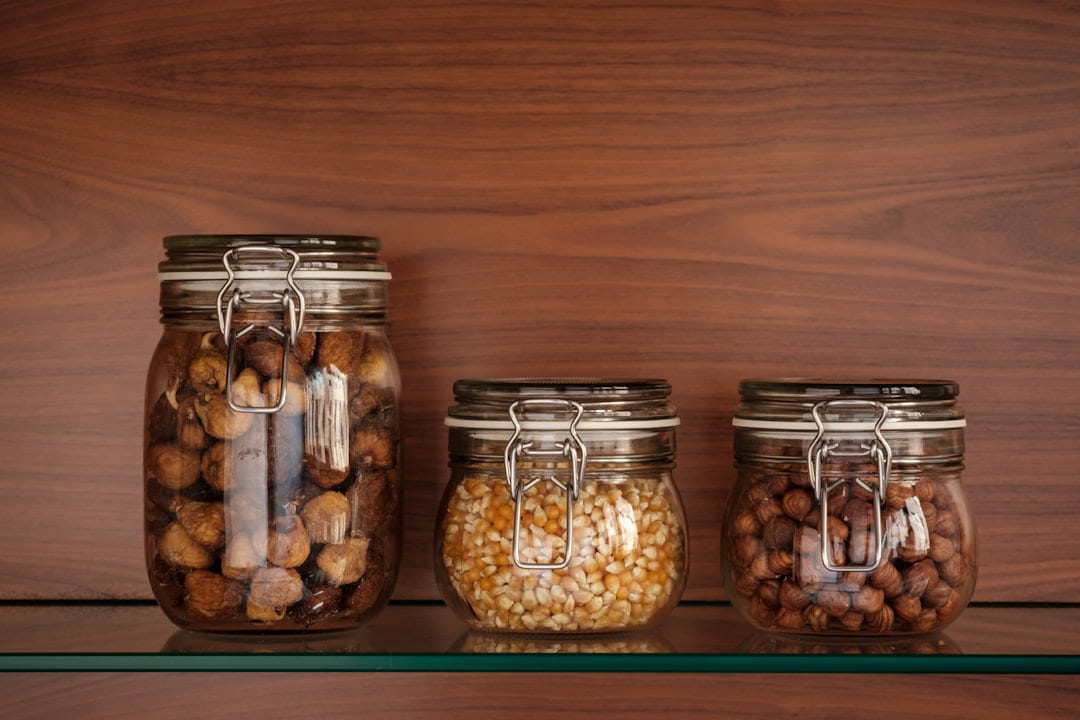
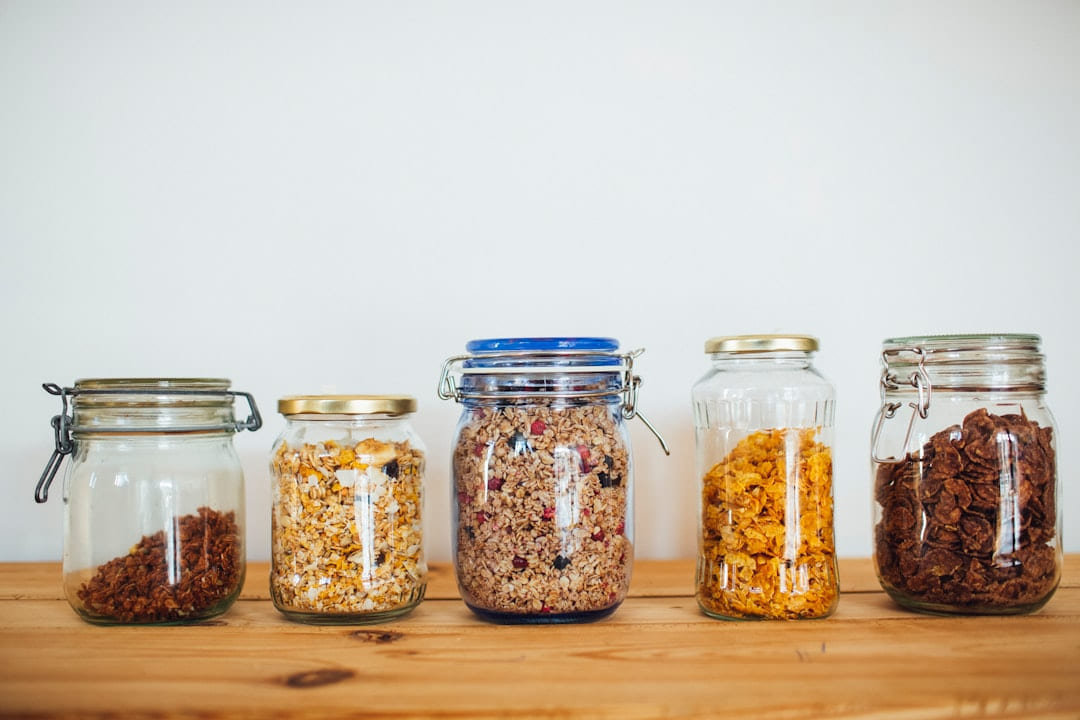
- Food Storage: Ditch the plastic wrap and Ziploc bags in favor of beeswax wraps, silicone bags, or reusable containers.
- Cleaning Supplies: DIY cleaning solutions using vinegar, baking soda, and essential oils are incredibly effective and much cheaper than store-bought cleaners.
- Toiletries: Switching to bar soaps, shampoo bars, and bamboo toothbrushes can significantly reduce plastic waste.
3. Identify Your Biggest Waste Offenders:
Take a week to really observe your household habits. Where are you generating the most waste? Are you constantly buying single-use plastic wrap? Do you use a lot of paper towels? Identifying these areas will help you prioritize your swaps. Keep a small notebook and jot down your observations. It’s a surprisingly insightful exercise.
4. Make a Plan - Small, Specific Steps
Once you’ve identified a swap, don’t just think about it - create a plan. How will you make this swap a habit? Where will you keep your reusable items? For example, if you’re switching to a reusable water bottle, designate a specific spot on your desk or in your bag where you’ll always keep it. Small, specific actions are far more effective than vague intentions.
5. Don’t Beat Yourself Up - It’s Okay to Slip Up
This is so important. We’re human. We’re going to slip up. You’ll forget your reusable bag at home, or you’ll accidentally use a plastic straw. That’s okay! Don’t let a single mistake derail your progress. Just acknowledge it, learn from it, and get back on track the next day. Self-compassion is key.
6. Celebrate Your Successes - Acknowledge Your Wins
Seriously, take a moment to acknowledge your accomplishments. Did you successfully use your reusable coffee cup all week? Did you resist the urge to buy a plastic bag at the store? These small victories deserve recognition. It’s a powerful way to stay motivated. A simple “good job to me” can go a long way.
Expanding Your Swap Horizons: Beyond the Basics
Once you’ve mastered the basics, you can start exploring more ambitious swaps. Here are a few ideas to consider:
- Switching to Cloth Diapers: A significant reduction in landfill waste.
- Making Your Own Laundry Detergent: Cost-effective and environmentally friendly.
- Composting Food Scraps: Reduces landfill waste and creates nutrient-rich soil for your garden. (Start small - a countertop compost bin is a great option!)
- Reducing Meat Consumption: A significant impact on carbon emissions. (Start with “Meatless Mondays”!)
- Repairing Instead of Replacing: Extends the life of your belongings and reduces waste.
The Emotional Side of Sustainable Living
Let’s be real, shifting to greener habits isn’t always easy. There can be feelings of guilt, frustration, or even overwhelm. It’s important to acknowledge these emotions and be kind to yourself. Remember, you’re not striving for perfection; you’re striving for progress. Focus on the positive impact you’re making, and celebrate your successes along the way. Connecting with a community of like-minded individuals can also provide support and encouragement.
Your Turn: What’s One Small Swap You’re Going to Tackle This Week?
Until next time, keep striving for harmony, one swap at a time!
Warmly,
Sarah Quinn - Household Harmony Specialist
Keep This Practical
If the advice here feels useful, turn it into one habit you can maintain without extra stress. Sustainable progress tends to come from repeatable decisions, not all-at-once overhauls.