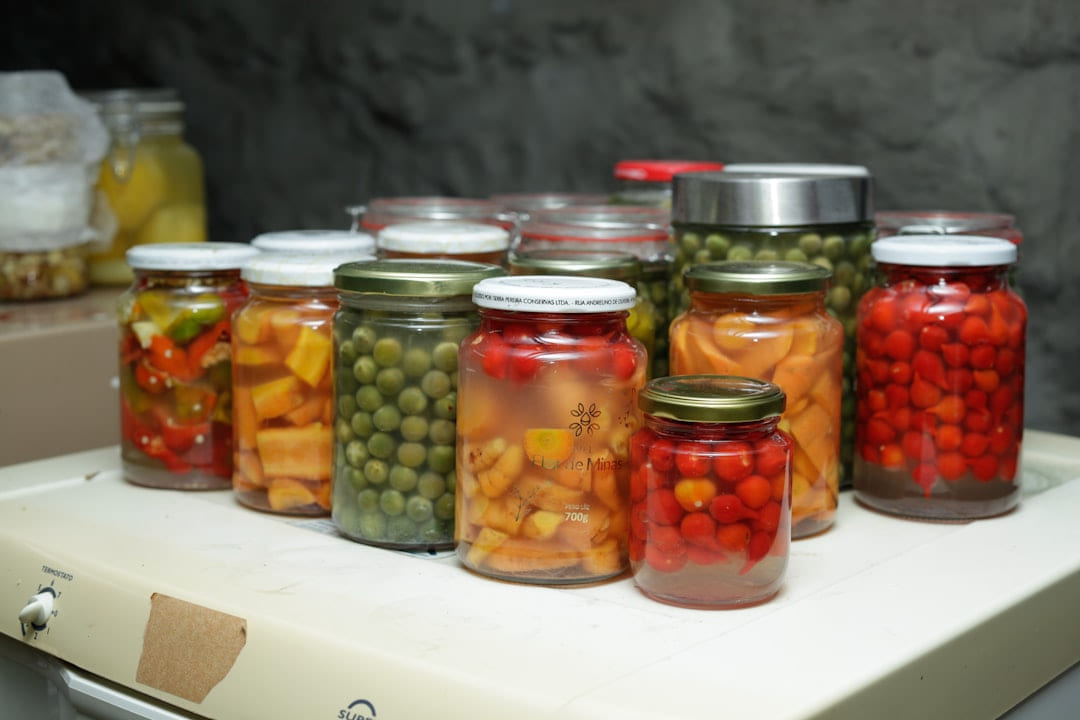
For Meal Prep Checklist, the practical version is the one that saves friction, respects your budget, and still works after the novelty fades.
It’s 2026, and honestly, the constant stream of information about climate change and the rising cost of groceries can feel a little…daunting. You want to make more sustainable choices - you read the articles, you feel that pull - but figuring out how to actually do it, especially when money’s tight, can seem like a pretty big challenge. The good news is, sustainable meal prep isn’t about fancy recipes or expensive gadgets. It’s about making smart, conscious decisions about what you buy, how you store things, and how you use them, in practice saving you money and reducing waste. This checklist is designed to help you build a system that works for you, no matter your budget.
What Does “Sustainable” Really Mean for Your Food?
When we talk about sustainable meal prep, we’re thinking about a few key things. It’s not just about avoiding plastic (though that’s definitely a big part of it!). It’s about minimizing food waste - truly understanding how much of what you buy actually makes it onto your plate - and reducing the packaging involved. Sourcing ingredients locally, when possible, cuts down on transportation emissions and supports local farmers. And, crucially, choosing seasonal produce means you’re buying things at their peak flavor and often at a lower price. A lot of people assume sustainable eating is a huge investment, but that’s not necessarily the case. It’s more about shifting your mindset. It’s about recognizing that buying a single head of broccoli in season is often cheaper and tastier than grabbing a bag of pre-cut florets from the supermarket. It’s about prioritizing whole foods and cooking more from scratch.
Your Starter Sustainable Meal Prep Checklist
- Reusable Containers: (Cost: $20-50) This is probably the single biggest impact you can make right away. Ditch the plastic containers and invest in a set of good quality, stackable containers. Glass is a great option, but BPA-free plastic is a perfectly acceptable and more affordable choice. Aim for different sizes - you’ll be surprised how often you need a small container for leftovers.
- Beeswax Wraps/Reusable Silicone Bags: (Cost: $15-30) These are fantastic alternatives to plastic wrap. They’re washable, reusable, and surprisingly effective for wrapping sandwiches, cheese, and veggies. Silicone bags are a bit pricier initially, but they can last a really long time.
- Produce Bags: (Cost: $5-10) Most grocery stores now offer reusable mesh produce bags. Bringing your own eliminates the need for those flimsy plastic ones.
- Compost Bin (if applicable): (Cost: $30-80) If you have space and access to composting, it’s a game-changer. It dramatically reduces the amount of food waste going to landfill. Many cities offer composting programs, so check your local options. Even a small countertop compost bin can make a difference.
- Bulk Buying Supplies: (Cost: Varies) Buying grains, legumes (like lentils and beans), nuts, and seeds in bulk is almost always cheaper per unit than buying pre-packaged. You’ll need a few things to make this work: reusable cloth bags (or even old t-shirts cut into squares), and a scale to accurately measure portions.
Smart Strategies for Saving Money on Sustainable Meals
Okay, so you’ve got your containers. Now, let’s talk about how to actually use them and keep costs down.
- Seasonal Eating: This is a big one. Produce that’s in season locally is almost always cheaper and tastes better. Check your local farmers market - you’ll be surprised at the variety and the prices. A quick Google search for “seasonal produce [your region]” can give you a good starting point.
- Meal Planning Basics: I know, meal planning sounds daunting, but it doesn’t have to be complicated. Start with a simple weekly plan - maybe three dinners, a few lunches, and some breakfast ideas. Write a shopping list based on your plan and stick to it. Impulse buys are the enemy of both your wallet and the planet.
- Leftover Utilization: Don’t let leftovers languish in the fridge! Get creative. Roasted chicken one night can become chicken tacos the next. Leftover rice can be turned into fried rice. A little planning can transform leftovers into entirely new meals.
- Freezing Food: This is your secret weapon. Freeze leftover portions, chopped vegetables, or even entire meals for future use. It’s a great way to extend the life of ingredients and reduce food waste.
Budget-Friendly Meal Ideas to Get You Started
Let’s look at a few simple recipes that fit the bill:
- Lentil Soup: (Estimated Cost: $5-8) Lentils are incredibly cheap and nutritious. A big pot of lentil soup is filling, flavorful, and freezes beautifully. Basic recipe: Sauté some onions and carrots, add lentils, vegetable broth, and spices (cumin, turmeric, coriander). Simmer until the lentils are tender.
- Sheet Pan Veggies with Quinoa: (Estimated Cost: $8-12) Toss chopped vegetables (broccoli, bell peppers, zucchini) with olive oil and seasonings, spread them on a sheet pan, and roast until tender. Cook quinoa according to package directions. It’s minimal cleanup and incredibly customizable.
- Overnight Oats: (Estimated Cost: $3-5) Combine rolled oats, milk (dairy or plant-based), yogurt (optional), and your favorite toppings (fruit, nuts, seeds) in a jar or container. Let it sit in the fridge overnight. It’s a quick, healthy breakfast that’s perfect for busy mornings.
Where to Find More Resources
- Local Farmers Markets: the recommendations below
- Composting Resources: the recommendations below
- Sustainable Living Blogs: the recommendations below
Small Steps, Big Impact
Sustainable meal prep doesn’t have to feel overwhelming. Start with one or two changes - maybe switching to reusable containers and planning your meals for the week. Small, consistent changes add up over time. Embrace the process, be patient with yourself, and remember that every little bit helps. Let’s build sustainable habits, one meal at a time.
Keep This Practical
Sustainable habits stick best when they fit your budget and your routine at the same time. Choose the one change that feels realistic this week, and let consistency do more than guilt ever will.
Tools Worth A Look
If you are trying to make greener routines easier to keep, the products below are the most relevant follow-up.
- Living Green on a Budget: A BEGINNER'S GUIDESustainable Urban Living: Transform Your Apartment into a Sustainable, Eco-Friendly HavenSustainable Living for Urban Renters: Practical Eco-Friendly Tips to Save Money, Reduce Waste, and Thrive in Small SpacesGarden to Table Cookbook: A Guide to Preserving and Cooking What You GrowYour Sustainable Small Farm: A Practical Guide for Thriving in Eco-Friendly Agriculture
Some of the links on this page are Amazon affiliate links, which means I may earn a small commission if you make a purchase through them. As an Amazon Associate, I earn from qualifying purchases.
Related ReadingMore from Earth Wise Budget
Sustainable Meal Prep: Your Budget Start
Your Sustainable Meal Prep guide: Eating Well, Saving Money, and Helping the Planet Let’s be honest - eating sustainably and keeping your budget in check can.
Meal Prep Fumbles: Avoiding Wasteful Mistakes
Mistakes to Avoid The Root of the Problem: Lack of Planning (Meal Prep) The biggest culprit behind meal prep failures isn’t laziness, it’s a lack of though...
Sustainable Meals: Prep Like a Pro
The beauty of sustainable meal prepping lies in utilizing inexpensive, nutrient-dense ingredients. Let’s break down some key staples that form the backbone of many.