For Budget-Friendly Bulk Buying, the practical version is the one that saves friction, respects your budget, and still works after the novelty fades.
Hi everyone, Rebecca Langley here from Earth Wise Budget. If you’re anything like me, you’re dreaming of a more sustainable life - a life with less waste, a smaller footprint, and a whole lot more connection to the things we use. But let’s be honest, the thought of “sustainable living” can sometimes feel… daunting. It conjures images of expensive organic groceries, complicated DIY projects, and a level of commitment that feels a little overwhelming.
The good news is, it doesn’t have to be! Building a low-waste lifestyle doesn't require a massive overhaul or a blank checkbook. In fact, one of the most impactful and surprisingly affordable ways to embrace sustainability is through bulk buying. Let's talk about how to do it, and how to do it well, without breaking the bank.
Why Bulk Buying Makes Sense (Especially on a Budget)
Before we dive into the specifics, let’s understand why bulk buying is such a powerful tool. The core principle is simple: buying in larger quantities almost always reduces the per-unit cost. Think about it - a single apple costs more than a bag of apples. That’s just the way the market works. But when you buy in bulk, you’re leveraging the power of volume, and that translates to savings for you.
Beyond the financial benefits, bulk buying drastically reduces packaging waste. Fewer boxes, less plastic, less of everything that ends up in landfills. It’s a win-win. And let’s be real, a little less clutter in your home is always a good thing.
Getting Started: Finding Your Bulk Buying Haunts
Okay, so you’re on board. Fantastic! But where do you even start looking for bulk bins and bulk sections? Here are a few options to explore:
- Local Co-ops and Natural Food Stores: These are often your best bet. They’re committed to sustainability and frequently offer a wide selection of grains, nuts, seeds, spices, and even cleaning products in bulk. I found a wonderful co-op near me that carries everything from quinoa to olive oil - it’s become a regular pilgrimage!
- Bulk Barn (Canada) / WinCo Foods (USA): These stores specialize in bulk buying and offer a surprisingly diverse range of products. They’re a great option if you don’t have a local co-op nearby.
- Online Bulk Retailers: Companies like Thrive Market and EarthHero offer a growing selection of bulk staples delivered right to your door. While shipping costs can add up, it’s worth considering for items you don’t have easy access to locally.
- Farmers Markets (with a twist): Many farmers markets are starting to offer bulk options for things like honey, maple syrup, and even seasonal produce. It’s a fantastic way to support local farmers and reduce packaging.
- Warehouse Clubs (Costco, Sam's Club): While not exclusively bulk bins, these clubs often have incredible deals on larger quantities of items like rice, beans, and nuts.
What to Buy in Bulk (And What to Be Careful About)
Now for the fun part - what should you actually be buying in bulk? Here’s a breakdown of some of my favorite staples:
- Grains & Legumes: Rice, quinoa, oats, lentils, beans - these are the foundation of a healthy, sustainable diet and they’re incredibly cost-effective in bulk. A 20-pound bag of rice can last *months*!
- Nuts & Seeds: Almonds, walnuts, sunflower seeds, pumpkin seeds - perfect for snacking, baking, or adding to salads.
- Spices: Buying spices in bulk is a game-changer. The flavor is so much fresher, and you’ll use far less than you would in individual packets.
- Coffee & Tea: Ditch the pre-packaged bags and invest in whole bean coffee or loose-leaf tea. You'll save money and reduce waste.
- Cleaning Supplies: Concentrated cleaners, dish soap, and laundry detergent are often available in bulk and are much more environmentally friendly.
- Personal Care Items: Shampoo bars, conditioner bars, and even some lotions and soaps are available in bulk, eliminating plastic bottles entirely.
Important Considerations & Tips for Success
Okay, let’s talk about some things to keep in mind to ensure your bulk buying journey is smooth and successful:
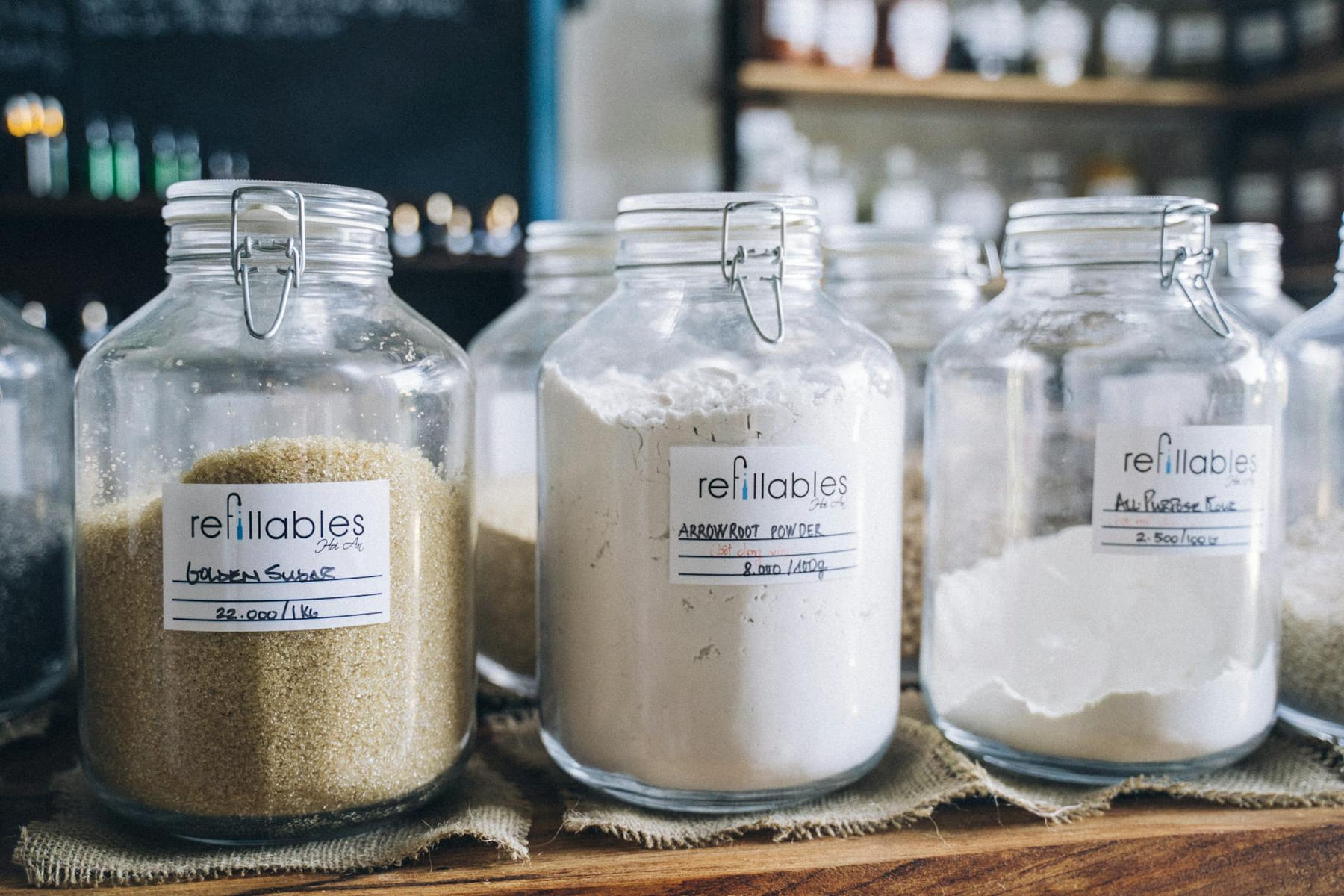
- Storage is Key: Bulk items require proper storage. Invest in airtight containers to keep your grains, nuts, and spices fresh. Glass jars are a great option - they're reusable and don't leach chemicals.
- Start Small: Don’t feel like you need to buy a giant bag of everything at once. Start with a smaller quantity and gradually increase as you become more comfortable. A 5-pound bag of rice is a perfectly reasonable starting point.
- Check Expiration Dates: Pay close attention to expiration dates, especially for items like nuts and seeds.
- Bring Your Own Containers (BYOC): This is *crucial*. Most bulk bins will allow you to bring your own jars or containers, but always double-check their policy beforehand. A standard mason jar works wonderfully.
- Weigh and Scoop Carefully: Use a tare weight (the weight of the empty container) to ensure you’re only paying for what you scoop.
- Don’t Be Afraid to Ask Questions: If you’re unsure about something, don’t hesitate to ask the store staff for assistance.
Beyond the Bin: Expanding Your Sustainable Habits
Bulk buying is a fantastic step towards a more sustainable lifestyle, but it’s just one piece of the puzzle. Here are a few additional tips to consider:
- Meal Planning: Planning your meals in advance can help you buy only what you need, reducing food waste.
- Composting: Composting food scraps and yard waste is a great way to reduce landfill waste.
- Reduce, Reuse, Recycle: These are still incredibly important! Focus on minimizing your consumption, reusing items whenever possible, and recycling properly.
Building a Sustainable Routine, One Bulk Bag at a Time
Creating a low-waste lifestyle is a journey, not a destination. It’s about making small, conscious choices that add up over time. Bulk buying is a fantastic way to start - it’s affordable, environmentally friendly, and empowering. Don’t get overwhelmed by the idea of perfection; just focus on making progress, one bulk bag at a time.
Keep This Practical
If the advice here feels useful, turn it into one habit you can maintain without extra stress. Sustainable progress tends to come from repeatable decisions, not all-at-once overhauls.
Tools Worth A Look
These recommendations fit readers who want lower-waste, budget-aware tools that support everyday sustainability without overcomplicating it.
- Sustainable Living on a Budget: An Affordable Guide to Earth-Friendly ChoicesLiving a sustainable life: A quick guide with tips on how to change every aspect of your life in a dayBudget Living Party Central: A Month-by-Month Guide to Entertaining on the Cheap40 Projects for Building Your Backyard HomesteadEco-Lifestyles with Jessica Clarkson
Some of the links on this page are Amazon affiliate links, which means I may earn a small commission if you make a purchase through them. As an Amazon Associate, I earn from qualifying purchases.
Related ReadingMore from Earth Wise Budget
Eco-Friendly Living: Budget Recycling Tips
You don’t need to spend a fortune to recycle effectively. Here are some affordable options:
Recycling on a Budget: Common Questions Answered
on a Budget FAQ It’s easy to think that living a greener life means spending a lot more money - that it’s something only those with bigger budgets can afford....
Simple Eco-Friendly Home Savings
Before we dive into specifics, let’s clarify what we mean by “eco-friendly.” It’s not just about buying a single bamboo toothbrush. It’s a holistic approach.