
Friendly Living on a Budget can be easier to approach when you start with a few practical basics. It’s easy to think that living a greener life means spending a lot more money - that it’s something only those with bigger budgets can afford. But that’s just not true. Building a more sustainable lifestyle is really about making smarter choices, reducing waste, and focusing on what truly matters to you. This article is here to answer some common questions about how to live a little greener without feeling like you’re emptying your wallet. We’ll look at some practical, affordable ways to make a difference - small changes that can add up to a really big impact. Let’s dive in!
Debunking the Myth: Sustainability Doesn’t Have to Be Expensive (Friendly Living on a Budget)
Let’s tackle this upfront: the idea that eco-friendly products are automatically more expensive is a pretty common one. And while some specialized items might cost a bit more, there’s a ton of affordable alternatives out there. Take toothbrushes, for example. A bamboo toothbrush is a nice investment - it lasts much longer than a plastic one - and you can find them for around $5 to $8. Over a year, that’s often less than the cost of buying a bunch of cheap plastic ones. The key here isn’t always about buying the most expensive product. It’s about choosing products that are built to last, use fewer resources to make, or simply help you consume less. Honestly, a lot of the biggest savings come from just buying less stuff in the first place. Think about food waste - studies show the average household throws away about $1600 worth of food each year! Investing in durable goods, learning to fix things instead of replacing them, and shopping secondhand are all smart moves that pay off in the long run. These changes aren’t just good for the planet; they’re good for your finances too. We’ll explore these ideas - and more - in the questions below.
Food & Waste Reduction - Big Impact, Small Cost
Let’s be honest, our food habits have a huge impact on both the environment and our bank accounts. Meal planning is a really powerful tool here. Taking just 30 minutes each week to plan your meals and make a grocery list can dramatically reduce those impulse buys and stop you from throwing away food you never intended to eat. Composting is another fantastic option, and it doesn’t have to be complicated. You don’t need a massive backyard setup. Worm bins (vermicomposting) are surprisingly easy to set up and maintain, even in apartments, and they turn food scraps into nutrient-rich soil for your plants. If that feels like too much, even a small countertop compost bin can make a difference. Don’t underestimate the power of leftovers! A little creativity can transform yesterday’s roast chicken into tacos, leftover veggie stir-fry into a frittata, or stale bread into croutons. Tracking your food waste for a week - even just jotting down what you throw away - can be really eye-opening. You’ll likely spot patterns and areas where you can improve.
Energy & Water Savings - Simple Habits
Small changes to your daily routines can have a surprisingly big impact on your energy and water bills. Switching to LED bulbs is a simple win. They cost a bit more upfront, but they use up to 75% less energy and last much longer than traditional bulbs. You’ll likely recoup the cost through savings within a few years. And it’s not just about the big appliances. Unplugging electronics when you’re not using them - TVs, chargers, gaming consoles - can prevent “phantom load,” which is energy consumed even when devices are turned off. Adjusting your thermostat a few degrees - lowering it in the winter and raising it in the summer - can also make a noticeable difference. Don’t forget to fix leaky faucets - a dripping faucet can waste gallons of water over time.
Sustainable Choices - Clothing, Bathroom & Beyond
Let’s talk about what you actually buy. Shopping secondhand - whether at thrift stores, consignment shops, or online platforms - is a really sustainable way to shop. You’ll find unique items at a fraction of the price and give perfectly good clothing a second life. Clothing swaps with friends are another fun and free way to refresh your wardrobe. Finding affordable, ethical brands isn’t always easy, but it’s getting easier. Do a little research and look for companies that prioritize fair labor practices and sustainable materials. with your bathroom, there are tons of zero-waste swaps you can make. Switching to shampoo bars, bamboo toothbrushes, and reusable cotton rounds drastically reduces plastic consumption. And you don’t need fancy, expensive eco-friendly cleaners. Simple recipes using ingredients like vinegar, baking soda, and essential oils can be incredibly effective and much cheaper.
Getting Involved & Budgeting for Green
Living sustainably isn’t just about what you do individually; it’s also about building community. Look for local repair cafes where you can learn to fix broken items instead of throwing them away. Community gardens offer a chance to grow your own food and connect with others. Check out local initiatives focused on reducing waste or promoting environmental awareness. with budgeting for sustainability, start with the areas where you’ll see the biggest impact. A reusable water bottle is a relatively small investment that can save you a lot of money over time. Focusing on reducing food waste and conserving energy are also great places to start. Don't try to change everything at once - start with one or two small changes and build from there.
Conclusion
Sustainable living on a budget isn’t a pipe dream - it’s a realistic goal. It’s about making conscious choices, developing some simple habits, and recognizing that even small changes can make a big difference. Don’t feel overwhelmed by the idea of “going green.” Start with one or two of the tips we’ve covered today - maybe meal planning, switching to LED bulbs, or exploring secondhand shopping - and build from there. Every little bit helps.
Keep This Practical
Sustainable habits stick best when they fit your budget and your routine at the same time. Choose the one change that feels realistic this week, and let consistency do more than guilt ever will.
Tools Worth A Look
If you are trying to make greener routines easier to keep, the products below are the most relevant follow-up.
- How to start a profitable worm business on a shoestring budgetEco-Minimalism On A BudgetThe Sustainable Home: The definitive interior design guide to creating a stylish, environmentally conscious homeHow to Make a Budget Plan - Planning and Budgeting for SuccessOff Grid Living on a Budget!: Written By The Off Grid Barefoot Girl
Some of the links on this page are Amazon affiliate links, which means I may earn a small commission if you make a purchase through them. As an Amazon Associate, I earn from qualifying purchases.
Related ReadingMore from Earth Wise Budget
Bulk Buys & a Greener Wallet
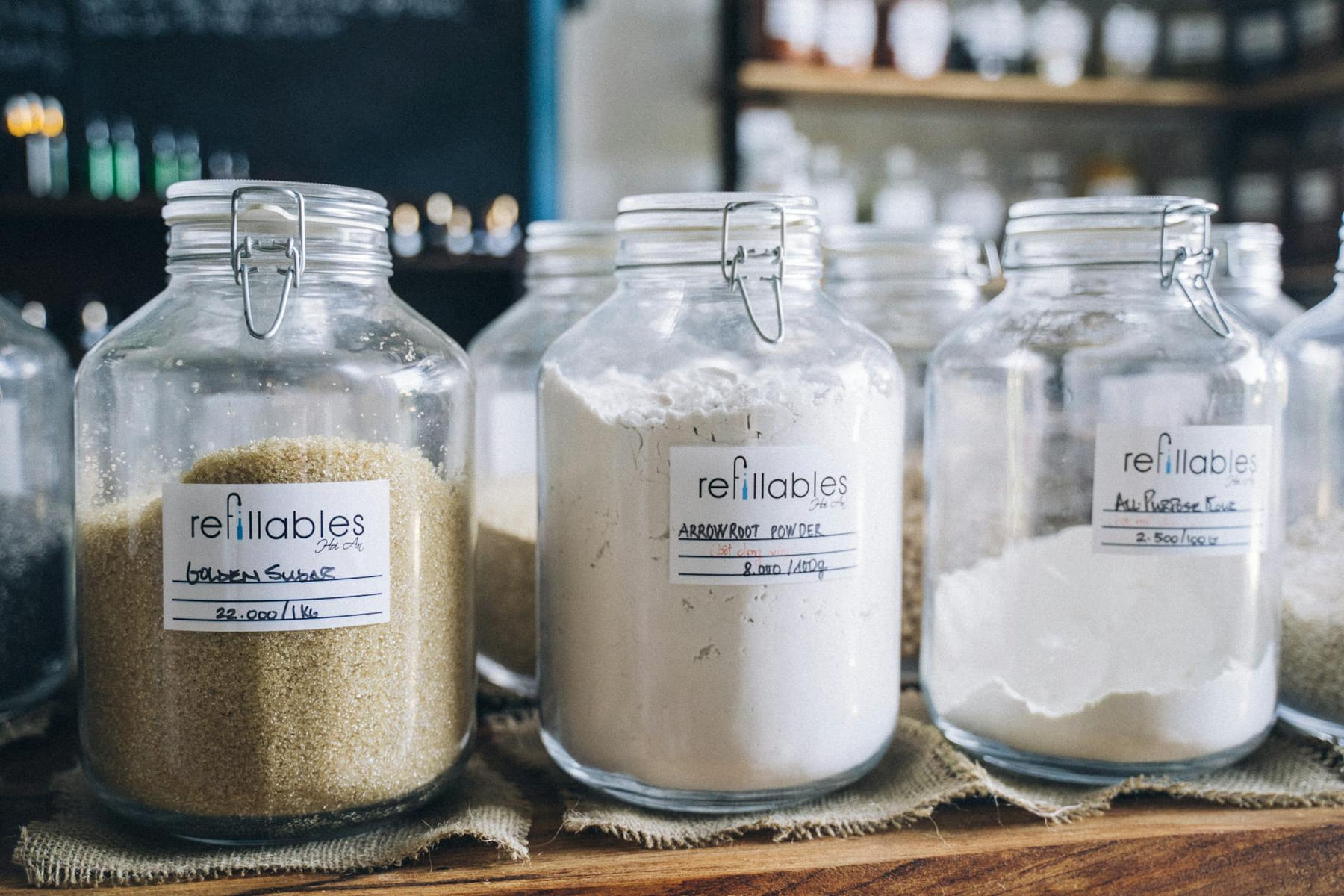
Ditch the Disposables: Your Guide to Budget-Friendly Bulk Buying for a Sustainable Life Hi everyone, Rebecca Langley here from Earth Wise Budget. If you’re.

Eco-Friendly Living: Budget Recycling Tips
You don’t need to spend a fortune to recycle effectively. Here are some affordable options:
Recycling on a Budget: Common Questions Answered
on a Budget FAQ It’s easy to think that living a greener life means spending a lot more money - that it’s something only those with bigger budgets can afford....