
Simple Low-Waste Home Changes is easier to make sense of when you break it down into the part that matters most first. Instead of chasing every option at once, it usually helps to focus on what will make Simple Low-Waste Home Changes more useful, easier to manage, or more affordable in ordinary life.
Pick the easiest win first
Most people get better results with Simple Low-Waste Home Changes when they narrow the decision to one real problem. That could be saving time, trimming cost, reducing friction, or making the routine easier to keep up.
This usually gets easier once you make a short list of priorities. A tighter list tends to produce better decisions than trying to solve every possible problem at once.
Another useful filter is asking what you would still recommend if the budget got tighter, the schedule got busier, or the setup had to be easier for someone else to manage. The answers to that question usually reveal which advice is durable and which advice only works under ideal conditions.
The tradeoff most people notice late
One common mistake with Simple Low-Waste Home Changes is expecting every option to solve the whole problem. In reality, some choices are better for convenience, some for reliability, and some simply for keeping the budget under control.
Before spending more, it is worth checking the setup, upkeep, and learning curve. Small hassles matter here because they are usually what decide whether something stays useful or gets ignored.
It is easy to underestimate how much clarity comes from removing one unnecessary layer. In practice, trimming one complication often does more for Simple Low-Waste Home Changes than adding one more feature, one more product, or one more clever workaround.
What makes this easier to live with
The options that age well are usually the ones that are easy to repeat. Reliability and low hassle often matter more than the most impressive-looking feature list.
In a topic like Sustainable living on a budget, manageable almost always beats impressive. If something is simple enough to keep using, it is usually doing more real work for you.
Readers usually get better results when they treat advice as something to test and refine, not something to obey perfectly. That mindset creates room for real judgment, which is often the difference between content that sounds smart and guidance that is actually useful.
How to avoid extra hassle
When you are deciding what to do next, aim for the option that reduces friction and gives you a clearer read on what matters most. That is usually how Simple Low-Waste Home Changes becomes more useful instead of more complicated.
Leave a little room to adjust as you go. A setup that works in one budget range, season, or routine might need a small change later, and that is usually normal rather than a sign you got it wrong.
If this topic still feels crowded or overcomplicated, that is usually a sign to narrow the decision, not a sign that you need more noise. One careful adjustment, followed by honest observation, tends to teach more than another round of abstract tips.
What is worth paying for
There is also value in keeping one part of the process deliberately simple. Readers often do better when they identify the one decision that carries the most weight and make that choice carefully before they chase smaller optimizations. That keeps momentum steady and usually prevents the topic from turning into clutter.
A better approach is to break Simple Low-Waste Home Changes into smaller decisions and solve the highest-friction part first. Testing one practical change usually teaches more than trying to perfect everything in a single pass.
A grounded next step is usually better than a dramatic one. Pick one realistic change, see how it works in normal life, and let that result guide the next decision.
A low-stress way to begin
That is why the best next step is often a modest one with a clear upside. You want something specific enough to act on, flexible enough to adjust, and practical enough that you would still recommend it after the first burst of enthusiasm fades.
You do not need the flashiest answer here. You need the one that fits your space, budget, and routine well enough that you will still feel good about it after the first week.
The version that holds up best is usually the one you can live with on an ordinary day. That often matters more than the version that only feels good when you have extra time, energy, or money.
Conclusion
Building a low-waste home doesn’t have to feel like a monumental task. It’s a journey, not a destination. By starting with a simple waste audit, making small swaps in the kitchen and bathroom, and being mindful of your consumption habits, you can make a real difference - and do it without breaking the bank. What’s one small step you can take today to reduce your impact?
Keep This Practical
Sustainable habits stick best when they fit your budget and your routine at the same time. Choose the one change that feels realistic this week, and let consistency do more than guilt ever will.
Tools Worth A Look
If you are trying to make greener routines easier to keep, the products below are the most relevant follow-up.
- The Barndominium Builder's Handbook: From Blueprint to HomefrontHow To Make Moroccan FoodThe DIY Guide to Off Grid Survival Projects: Step-by-Step Manual to Achieve Self SufficiencyLiving Green on a Budget: A BEGINNER'S GUIDEThe Heart of the Homestead: Cultivating a Spirit of Simple Living Through Homemaking, Recipes, and Family
Some of the links on this page are Amazon affiliate links, which means I may earn a small commission if you make a purchase through them. As an Amazon Associate, I earn from qualifying purchases.
Related ReadingMore from Earth Wise Budget

Low-Waste Living: Swaps & Savings
Another easy trap is copying a setup that made sense for someone with a different routine, budget, or tolerance for maintenance. In Sustainable living on a budget.
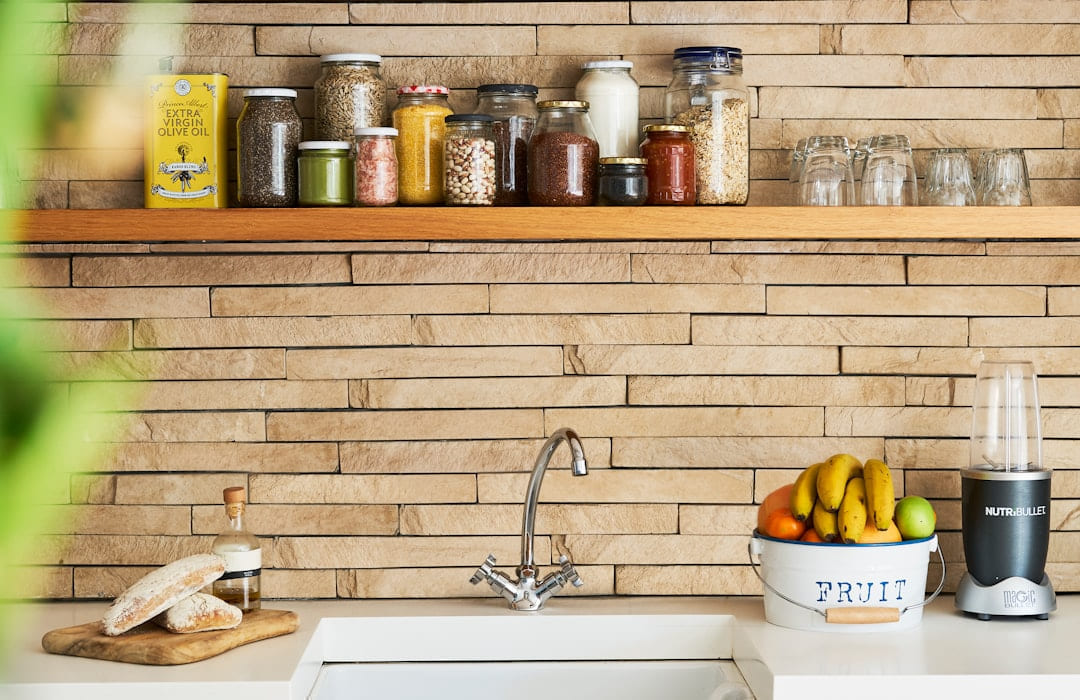
Low-Waste Home Fixes: Troubleshooting Tips
deserves a little more room than a quick summary because most readers are trying to make a real decision, not just skim a few surface-...
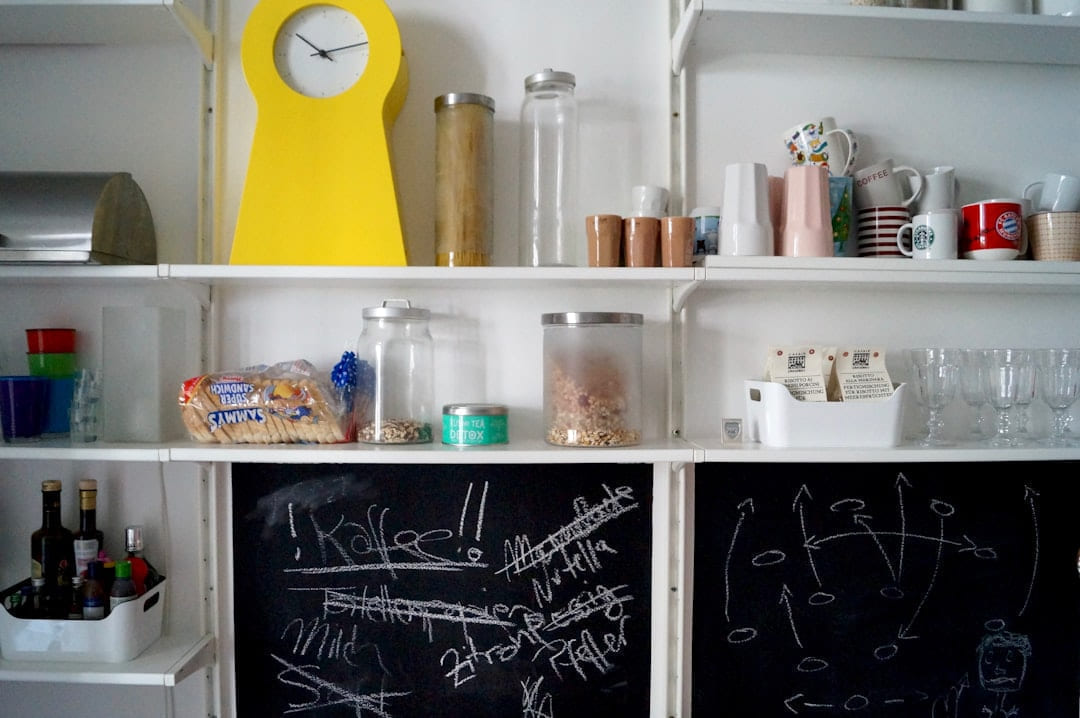
Low-Waste Living: Apartment Edition
Small Steps, Big Impact: Creating a Low-Waste Life in Your Apartment It’s easy to feel a little overwhelmed when you think about making a positive impact.