
A Budget can be easier to approach when you start with a few practical basics.
Let’s be honest, thinking about recycling can feel a little overwhelming. Rules shift, bins get confusing, and it’s easy to feel like you’re not really making a difference. Plus, the idea of saving money while being eco-friendly can seem like a tricky balancing act. But in 2026, recycling isn’t about big, complicated gestures. It’s about making simple, smart choices that add up over time. this post is here to show you how to recycle more effectively, reduce waste, and save money - without a huge investment.
What Your Local Rules Say in 2026 (A Budget)
Knowing exactly what your local recycling program accepts is the most important thing you can do. Contamination - tossing things in the bin that shouldn’t be there - is a big problem for the facilities that process recyclables. It can ruin entire batches, sending them straight to the landfill. Thankfully, things have changed quite a bit since 2024. Many communities now accept a wider range of plastics, particularly #5 plastics (like yogurt containers and tubs), which were often excluded before. Sorting requirements are also stricter - clear separation of paper, plastic, and glass is crucial. To help you handle this, we’ve created an interactive database. You can search by zip code - it’s easily found on our homepage - and it’ll give you a detailed breakdown of what’s accepted, any specific preparation instructions (like rinsing containers), and drop-off locations. Don’t just rely on the city website; regulations can vary even within the same county. It’s also a good idea to check with your waste management company directly; they often have the most up-to-date information. We’re seeing some common contamination issues frequently - greasy pizza boxes (tear off the greasy part and recycle the clean portion), plastic bags (take them to a grocery store for recycling), and food waste in containers. Avoid putting liquids in plastic containers; rinse them thoroughly first. When in doubt, it’s always better to throw something out rather than risk contaminating an entire load. Drop-off locations for items not accepted curbside - like electronics and batteries - are usually available at community centers or local recycling events, which are typically scheduled on a monthly basis.
Beyond the Bin: Creative Reuse & Upcycling
- T-Shirt to Shopping Bag: Seriously, this is surprisingly easy. With a few simple cuts and knots, you can transform an old t-shirt into a reusable shopping bag. It takes about 15 minutes and uses nothing but what you already have.
- Glass Jar Transformations: Glass jars - pickle jars, jam jars, pasta sauce jars - are incredibly versatile. Clean them out, remove the labels, and you’ve got instant storage containers for spices, dry goods, or even small craft supplies. You can also turn them into charming vases - a little paint or twine adds a rustic touch. This project takes about 30 minutes and costs just a few dollars for paint or twine if you want to embellish.
- Cardboard Box Creations: Don’t toss those moving boxes! They’re fantastic for organizing. Cut and fold them to create drawer dividers, toy organizers for kids, or even small storage bins for your closet. It’s a great activity to do with kids, and it’s completely free. Expect about an hour or two of assembly time. Want more inspiration? We’ve curated a Pinterest board filled with creative upcycling ideas - you can find it here: .
Saving Money on Recycling
Recycling shouldn’t drain your wallet. Here are some practical strategies to reduce your environmental impact without spending a lot:
- Reduce Waste at the Source: This is the most effective thing you can do. Meal planning prevents food waste, buying in bulk reduces packaging, and switching to reusable water bottles and coffee cups cuts down on single-use plastics. Small changes add up dramatically.
- Negotiate Better Recycling Rates: It might seem like a lot of work, but contacting your local waste management company and inquiring about bulk recycling rates can sometimes lead to savings. It’s worth a shot - you might be surprised. Be polite and frame it as a collaborative effort to improve the program’s efficiency.
- Find Free or Low-Cost Recycling Options: Many communities host free drop-off events for specific items, like electronics or batteries. Local charities often accept donations of clothing, household goods, and even textiles. Check your community calendar and local listings for opportunities.
Composting for Everyone
Composting isn’t just for people with big gardens. With a little creativity, you can compost right in your apartment or small space. Composting breaks down organic matter - food scraps, yard waste - into a nutrient-rich soil amendment. It’s fantastic for your plants and reduces the amount of waste going to landfills.
- Vermicomposting (Worm Composting): This is a great option for apartments. Red wiggler worms break down food scraps quickly and efficiently. A small worm bin can be set up for around $50-$100 (including the worms). Maintenance is relatively low - you just need to provide them with food and moisture.
- Bokashi Composting: This anaerobic composting method uses inoculated bran to ferment food waste. It’s ideal for apartments because it doesn’t attract pests and can handle meat and dairy. A Bokashi bucket costs around $30-$50.
- Troubleshooting: Common problems include fruit flies (bury food scraps deep in the compost) and unpleasant odors (ensure proper moisture levels).
Reducing Food Waste - It’s Easier Than You Think
Globally, about one-third of all food produced is wasted. That’s not just a moral issue; it’s an economic one. Food waste contributes to greenhouse gas emissions and wastes the money you spent to acquire it.
- Storage Tips: Proper storage is key. Store fruits and vegetables in the crisper drawers of your refrigerator, and wrap leafy greens in damp paper towels to keep them fresh.
- Creative Recipes: Don’t let leftovers languish in the fridge. Get creative! Roasted vegetable scraps can be added to soups and stews, stale bread can be made into croutons or bread pudding, and leftover chicken can be used in tacos or sandwiches. Conclusion Recycling doesn’t have to be complicated or expensive. By understanding your local rules, embracing reuse and upcycling, and using these practical strategies, you can make a real difference - and save money along the way. Start small, track your progress, and share your successes with others. Visit our interactive database to find out what’s accepted in your area, explore the world of upcycling, and consider starting a composting system. You’ll be surprised at how easy - and rewarding - it can be.
Keep This Practical
The practical version of low-waste living is usually smaller and steadier than it looks online. Start with the swap you can repeat easily, then build from there.
Tools Worth A Look
The picks here are best used as supports for repeatable low-waste habits, not one-time feel-good purchases.
- The Lazy Environmentalist on a Budget: Save Money. Save Time. Save the Planet.Sustainable Urban Living: Transform Your Apartment into a Sustainable, Eco-Friendly HavenEco-Friendly Living on a Shoestring Budget: Simple, Sustainable Solutions for a Greener Life Without Breaking the BankThe DIY Guide to Off Grid Survival Projects: Step-by-Step Manual to Achieve Self SufficiencySUSTAINABILITY: PERSONAL TO GLOBAL: Toward A Healthier Enriched Lifestyle
Some of the links on this page are Amazon affiliate links, which means I may earn a small commission if you make a purchase through them. As an Amazon Associate, I earn from qualifying purchases.
Related ReadingMore from Earth Wise Budget
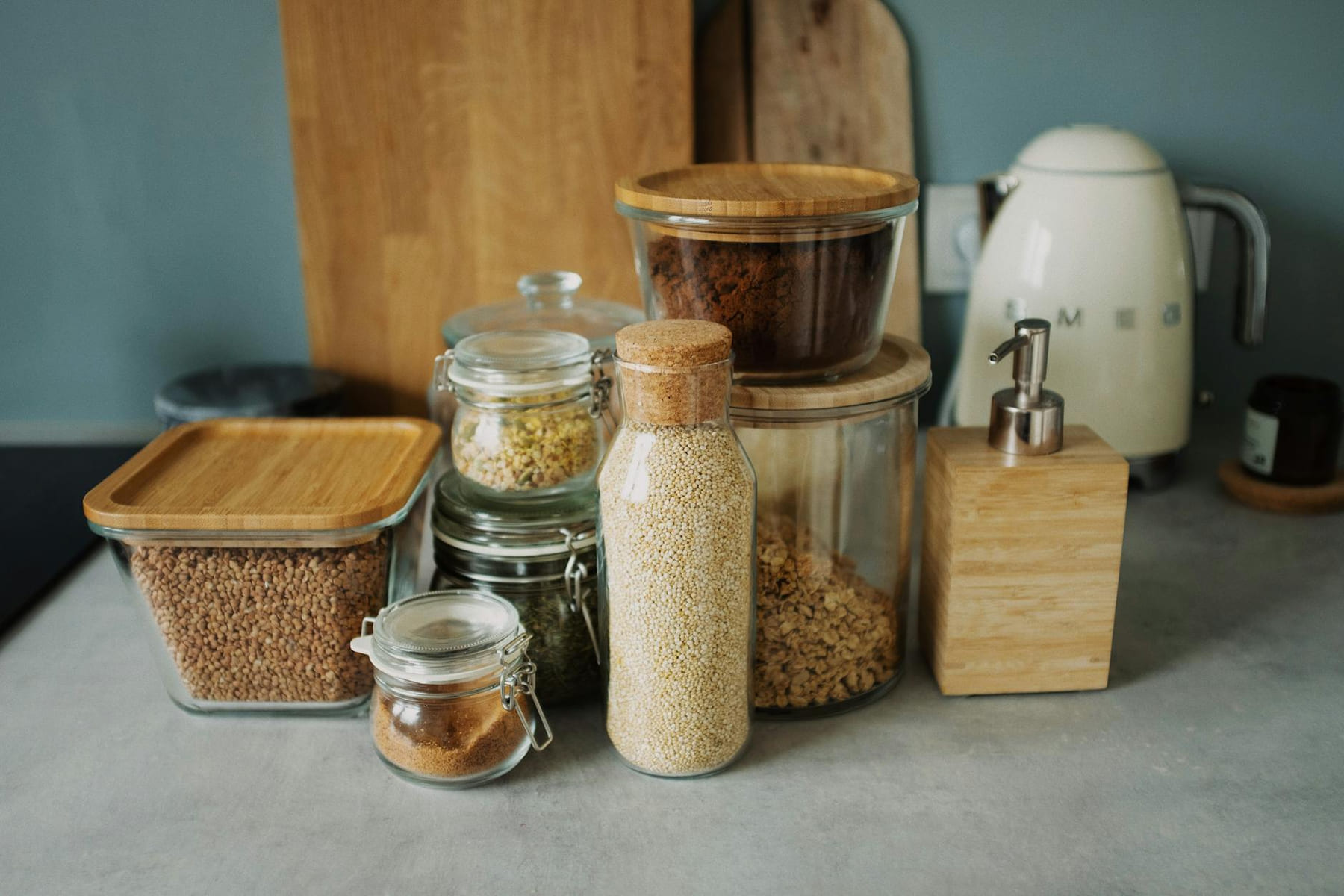
Recycling Troubles? Budget-Smart Solutions
Before we even get to the nitty-gritty of bins and bags, let’s revisit the core principles of waste reduction. Recycling is fantastic, but it’s just one piece.
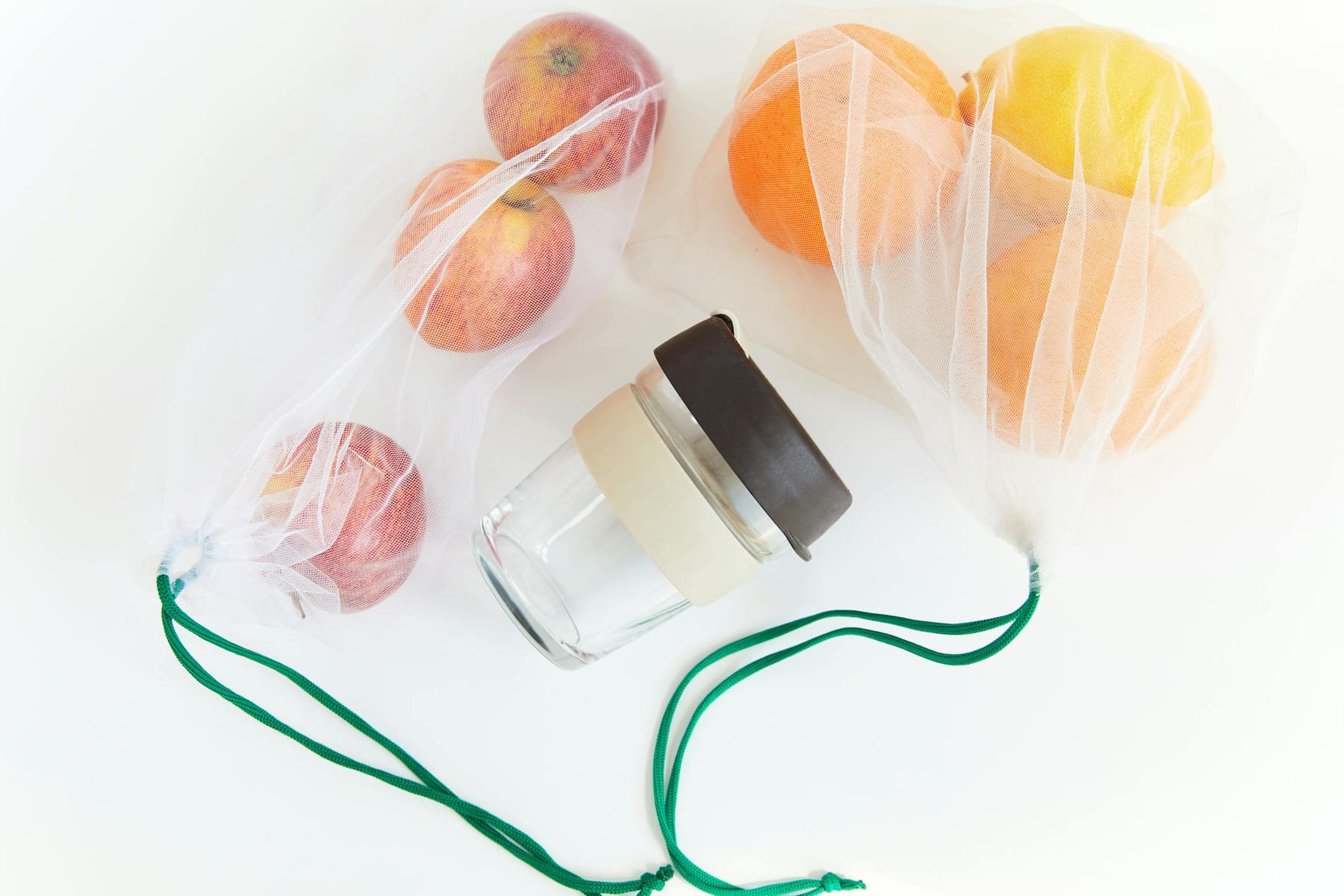
Recycle Smarter: Budget-Friendly Tips
Use recycle smarter: budget-friendly tips to sort through lower-waste options that are realistic enough to repeat without overspending.
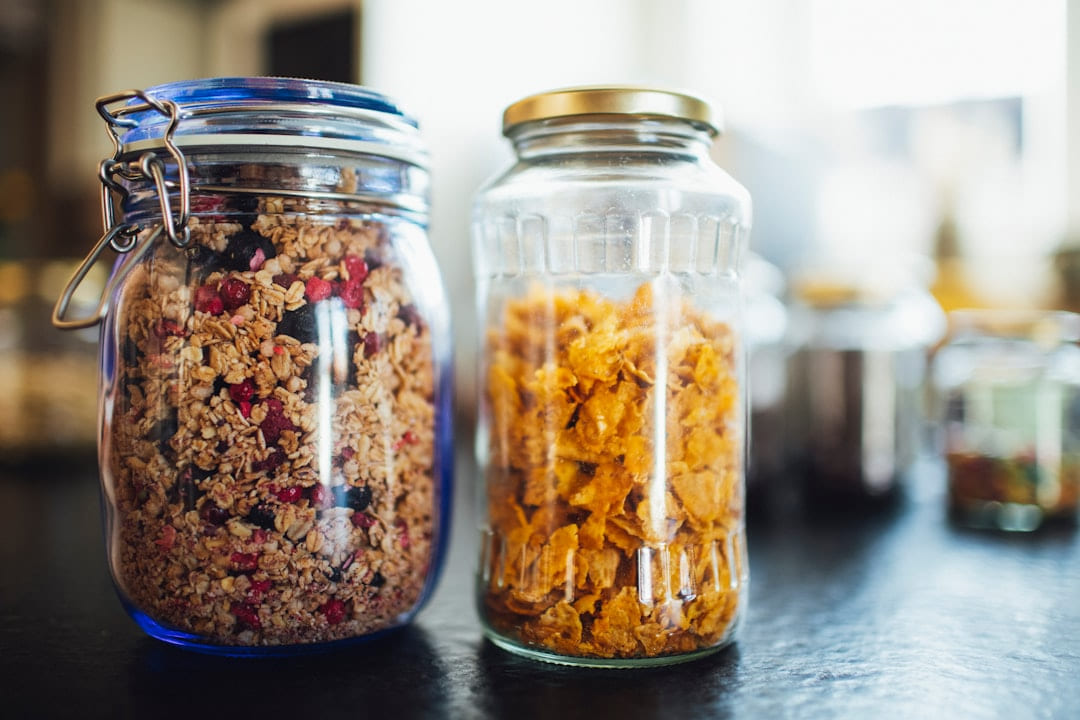
Recycling Mistakes That Cost You (and Earth)
is easier to make sense of when you break it down into the part that matters most first. Instead of chasing every option at once, it usually helps to focus on what.