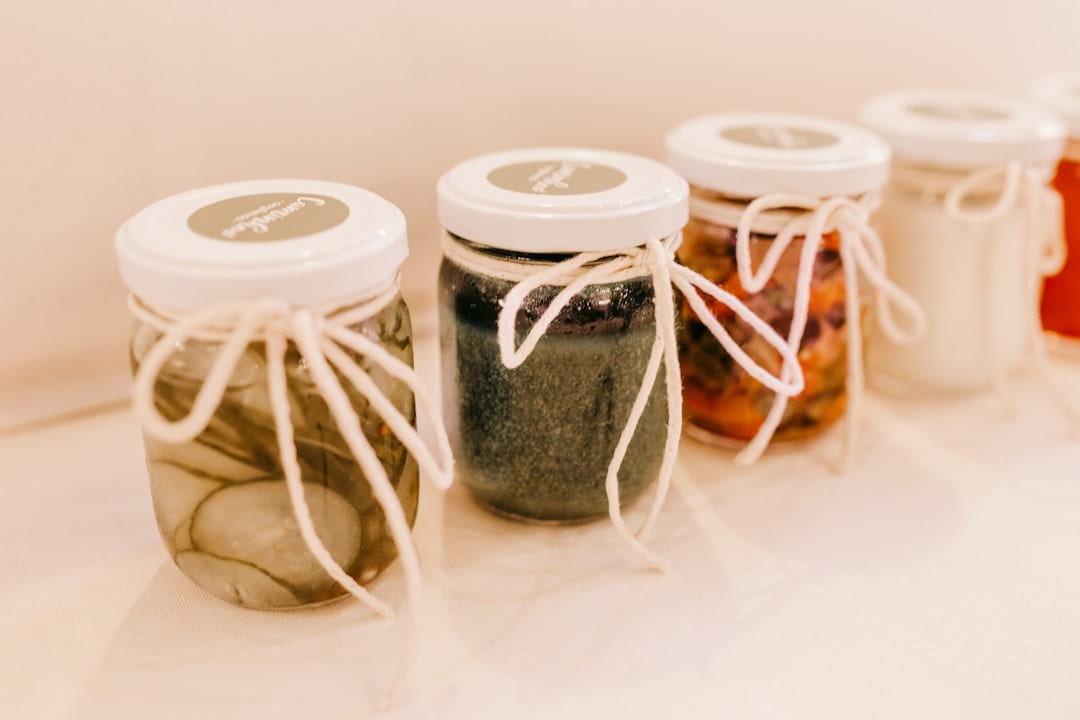
DIY Gifts That Save Money: Mistakes to Avoid & Creative Ideas for a Sustainable Holiday
The Core Principles of Budget-Friendly DIY Gifts
Creating successful DIY gifts isn’t just about slapping something together. It’s built on a foundation of careful planning, resourcefulness, and a little bit of patience. Here’s a breakdown of the key elements:
- Quality Materials Matter: This is where many DIY projects fall flat. It’s incredibly tempting to opt for the cheapest materials - a roll of bargain fabric, a discounted set of beads - but investing a little more in durable, sustainable options will pay off in the long run. A thick, sturdy canvas for a tote bag will last far longer than a thin, flimsy polyester blend. Similarly, using organic cotton for clothing or beeswax for candles ensures both longevity and a reduced environmental footprint. Consider the lifespan of the gift - will it be something the recipient will cherish for years to come, or will it fall apart after a single use?
- Planning is Paramount: Don’t let the excitement of a project overwhelm you. Break down complex projects into smaller, manageable steps. A huge, ambitious undertaking can quickly become frustrating and lead to abandoned projects. Start with a simple test run - a small swatch of fabric, a miniature version of a decoration - to ensure you understand the process and have the necessary skills. For example, if you’re planning to knit a scarf, practice a basic stitch pattern on a small swatch before committing to the full project.
- Waste Reduction: This is a huge one! Seriously, think about minimizing waste *before* you even start. Repurpose leftover fabric scraps into smaller projects like coasters, pot holders, or even patchwork pouches. Old jars can be transformed into beautiful candle holders or storage containers. Even cardboard boxes can be creatively upcycled into gift packaging. Get creative with your scraps - a little imagination can go a long way. Consider using natural dyes made from food scraps (onion skins, avocado pits) to add color to your projects.
- Realistic Time Management: Be honest with yourself about how much time a project will actually take. Learning a new skill - knitting, woodworking, calligraphy - takes time and practice. Troubleshooting problems inevitably happens, and it’s better to anticipate this and build in extra time. Don’t try to cram a complex project into a single weekend; spread it out over several days or weeks to avoid burnout and ensure a quality result.
Common DIY Gift Mistakes (and How to Avoid Them)
Let’s be real, not every DIY project is a resounding success. Here are some common mistakes to watch out for, and how to steer clear of them:
- Over-ambitious Projects: We’ve already touched on this, but it’s worth emphasizing. Starting with a project that’s *too* complicated for your skill level is a recipe for frustration. Begin with simpler projects and gradually increase the difficulty as you gain confidence.
- Ignoring Instructions: Seriously, read the instructions! It seems obvious, but many DIY enthusiasts skip this crucial step, leading to mistakes and wasted materials.
- Using Poor Tools: Cheap tools can make a project significantly harder and less enjoyable. Invest in a few basic, quality tools - a sharp pair of scissors, a good needle and thread, a sturdy cutting board - that will last.
- Lack of Design Thinking: Don’t just start crafting without considering the recipient’s tastes and preferences. A beautifully crafted gift that doesn’t align with their style will end up gathering dust. Think about their hobbies, colors they love, and what they actually *need* (not just what you *think* they want).
Creative DIY Gift Ideas - Beyond the Basics
Now for the fun part! Here are a few ideas to spark your creativity, ranging in difficulty and cost:
- Infused Oils or Vinegars: A beautifully presented bottle of flavored oil or vinegar is a thoughtful and delicious gift.
- Homemade Candles: Soy wax candles are a sustainable and affordable option.
- Knitted or Crocheted Items: Scarves, hats, blankets, and even small toys are always appreciated.
- Upcycled Jar Crafts: Turn old jars into planters, organizers, or decorative containers.
- Personalized Photo Albums or Scrapbooks: A treasured keepsake filled with memories.
- DIY Spice Blends or Tea Blends: Create custom spice blends for the foodie or a unique tea blend for the tea lover.
- Handmade Soap: A luxurious and personalized gift.
Wrapping it Up: Thoughtful, Affordable, and Earth-Friendly
Creating your own DIY gifts is a fantastic way to show you care, save money, and reduce your environmental impact. It’s about more than just the gift itself - it’s about the time and effort you put into it. And that’s what makes it truly special. This year, let’s move away from the pressure of expensive, mass-produced gifts and embrace the joy of creating something unique and meaningful. Consider using recycled paper, fabric scraps, or dried flowers for gift wrapping. Skip the plastic bows and opt for natural twine or ribbon.
If you’re looking for even more DIY gift ideas, check out our downloadable guide, packed with 20+ creative projects for the eco-conscious crafter. You can find it here. Let your creativity flow, explore resourceful options, and start giving the gift of green - and a little bit of handmade love. Don't forget to share your creations with us on social media using #EarthWiseBudgetGifts!
Start with what you will actually use
With DIY Gifts: Budget-Friendly & Easy Ideas, the first question is usually not which option looks best on paper. It is which part will make day-to-day life easier, smoother, or cheaper once the novelty wears off.
A lot of options sound great until you picture them in a normal week. If the setup is fussy, the routine is easy to forget, or the maintenance is annoying, the appeal fades quickly.
There is also value in keeping one part of the process deliberately simple. Readers often do better when they identify the one decision that carries the most weight and make that choice carefully before they chase smaller optimizations. That keeps momentum steady and usually prevents the topic from turning into clutter.
What tends to get overlooked
Tradeoffs are normal here. Cost, convenience, upkeep, and flexibility do not always line up neatly, so it helps to decide which tradeoff matters least to you before you commit.
This usually gets easier once you make a short list of priorities. A tighter list tends to produce better decisions than trying to solve every possible problem at once.
Another useful filter is asking what you would still recommend if the budget got tighter, the schedule got busier, or the setup had to be easier for someone else to manage. The answers to that question usually reveal which advice is durable and which advice only works under ideal conditions.
Keep This Practical
The practical version of low-waste living is usually smaller and steadier than it looks online. Start with the swap you can repeat easily, then build from there.
Tools Worth A Look
The picks here are best used as supports for repeatable low-waste habits, not one-time feel-good purchases.
- The Hip Girl's Guide to HomemakingBackyard Homestead On Any Budget: Your Step-by-Step GuideLiving a sustainable life: A quick guide with tips on how to change every aspect of your life in a dayThe Beginners Guide to Homesteading: Simple Steps to Self-Sufficient Living
Some of the links on this page are Amazon affiliate links, which means I may earn a small commission if you make a purchase through them. As an Amazon Associate, I earn from qualifying purchases.
Related ReadingMore from Earth Wise Budget
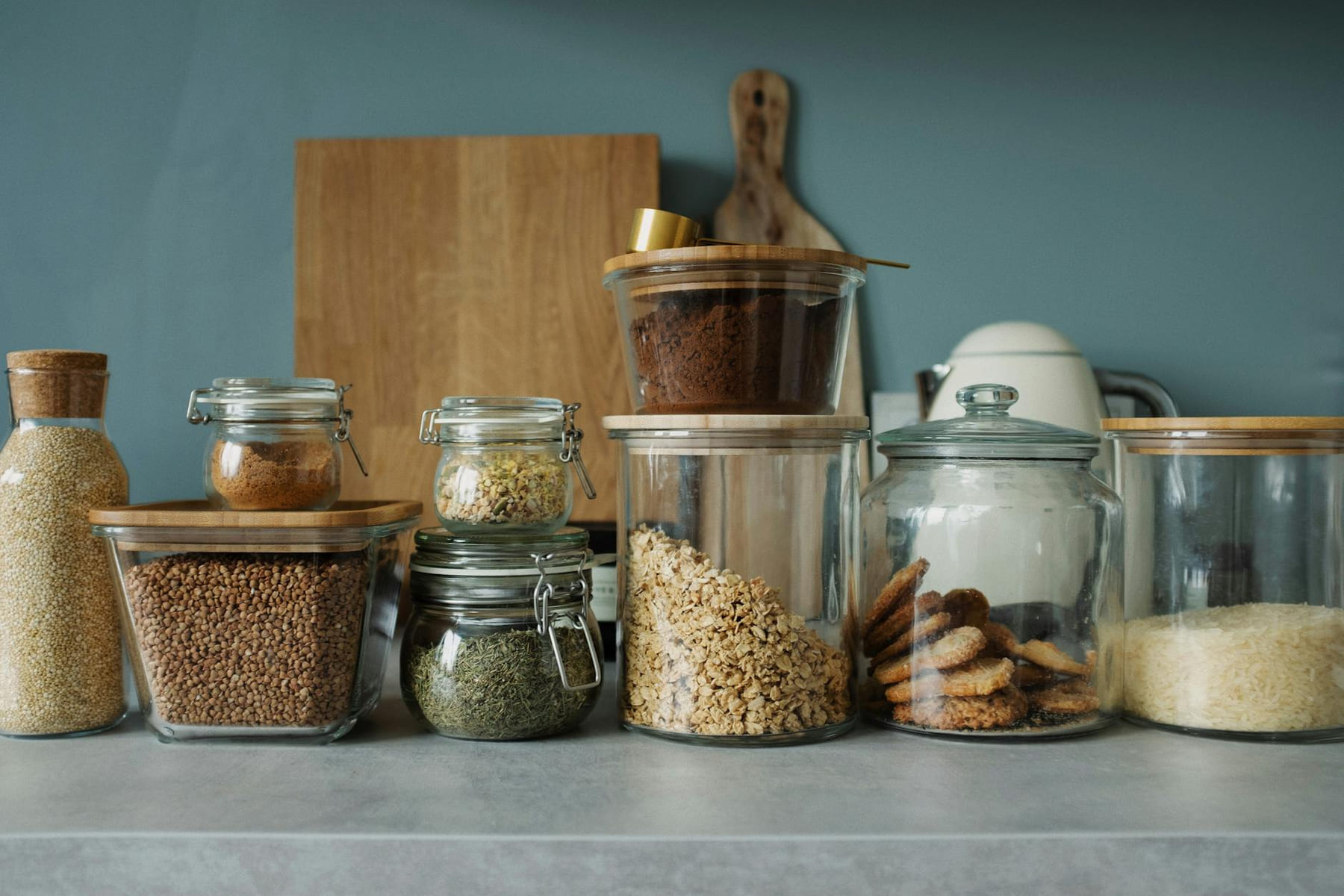
DIY Gifts: Budget-Friendly & Eco-Simple Ideas
is easier to make sense of when you break it down into the part that matters most first. Instead of chasing every option at once, it usually helps to focus on what.
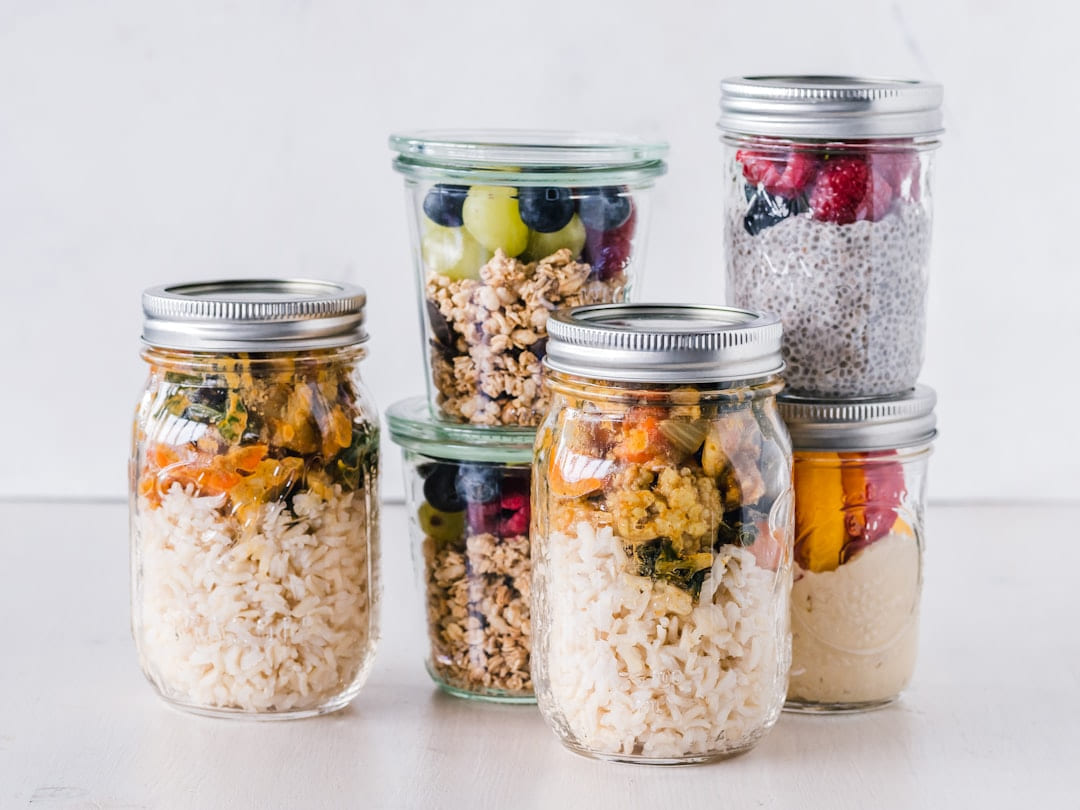
DIY Gifts: Easy Ways to Save Money
Easy Ways to Save Money can be easier to approach when you start with a few practical basics.
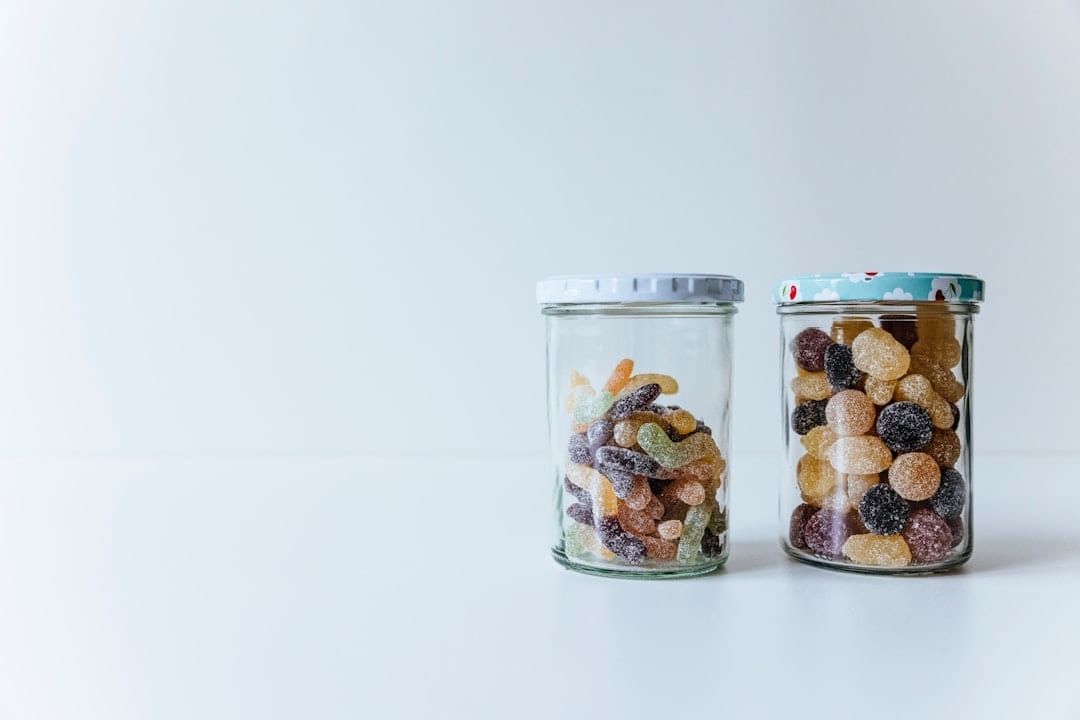
DIY Gifts: Simple & Sustainable on a Budget
is easier to make sense of when you break it down into the part that matters most first. Instead of chasing every option at once, it usually helps to focus on what.